When a storm is approaching, one question tends to rise above the rest: Do we have enough? Enough water, enough food, enough to get through days of uncertainty without access to stores or basic services. Too often, preparedness turns into rushed shopping trips and overfilled carts. But real readiness isn’t about reacting in panic—it’s about understanding what your body actually needs to function and planning with intention.
Storm survival is rooted in science. When you understand how hydration, calories, and storage work together, you remove the guesswork. You waste less, stress less, and create a system that supports your household even when everything outside feels unpredictable.
Why Water Is Your Top Priority
Water is the foundation of survival. While the human body can endure a lack of food for an extended period under certain conditions, dehydration becomes dangerous much faster. Within just a few days—sometimes sooner in hot or physically demanding environments—lack of water can become life-threatening.
Storms often disrupt water systems in ways people don’t anticipate. Treatment plants can lose power, pipes can break, and floodwaters can contaminate otherwise safe supplies. That’s why emergency guidelines consistently emphasize water storage first.
A widely accepted baseline is one gallon of water per person per day for at least three days. That amount covers drinking, minimal food prep, and basic hygiene. However, that’s a minimum—not a one-size-fits-all solution. In warmer climates, or in households with children, pregnant individuals, or higher activity levels, water needs increase. Many families find that planning for closer to one and a half gallons per person per day provides a more realistic safety margin.
Don’t Forget Your Pets
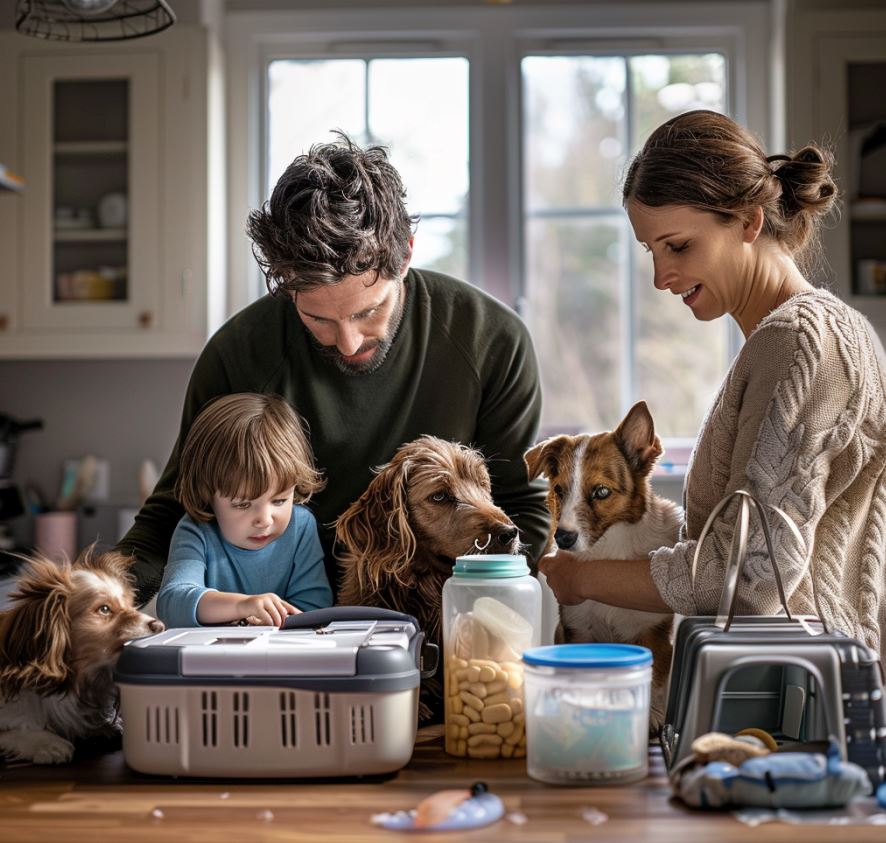
Pets are family, but they’re often left out of emergency calculations. Their hydration needs are just as important, especially since stress and heat can increase how much they drink.
A practical guideline is to plan about one ounce of water per pound of body weight each day for dogs, with cats requiring slightly less but still needing consistent access. A medium-sized dog, for example, may need close to half a gallon over a couple of days.
As with people, planning beyond the minimum is wise. If travel is restricted or conditions worsen, having enough water for five to seven days ensures your animals remain safe and healthy alongside you.
Storing Water the Right Way
Having water is only part of the equation—storing it properly is what keeps it safe.
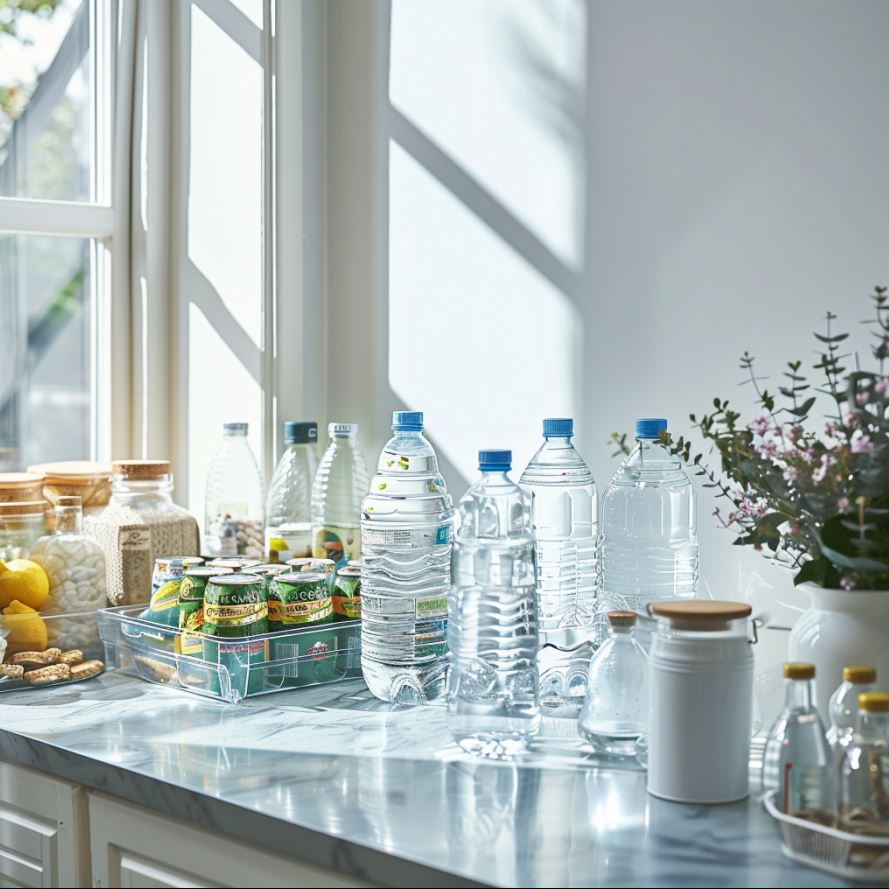
Use food-grade containers and keep them in a cool, dark environment to limit bacterial growth. If you’re filling containers yourself, rotate that water every six months. Commercially bottled water should also be replaced periodically, even though it has a longer shelf life.
After a storm, never assume tap water is safe unless officials confirm it. Boiling water is one of the most reliable purification methods, while properly measured unscented household bleach or certified purification tablets can serve as backups. Even clear-looking water can contain harmful microorganisms, especially after flooding, so treatment is essential.
Understanding Your Food Needs
Food supports energy, focus, and overall stability during stressful conditions. While exact calorie needs vary, your goal during a short-term emergency isn’t perfection—it’s consistency and adequacy.
Adults generally need between 1,800 and 2,800 calories per day depending on size and activity level, while children require less but still need steady nutrition. During a storm, activity levels may drop, but stress can increase your body’s demand for energy, making balanced intake important.
Emergency planners typically recommend at least a three-day supply of food per person. However, expanding that to five or even seven days provides a buffer if recovery efforts are delayed or access to stores remains limited.
Choosing the Right Foods
Not all foods are practical during a storm. The best options are those that are easy to store, simple to prepare, and nutritionally useful.
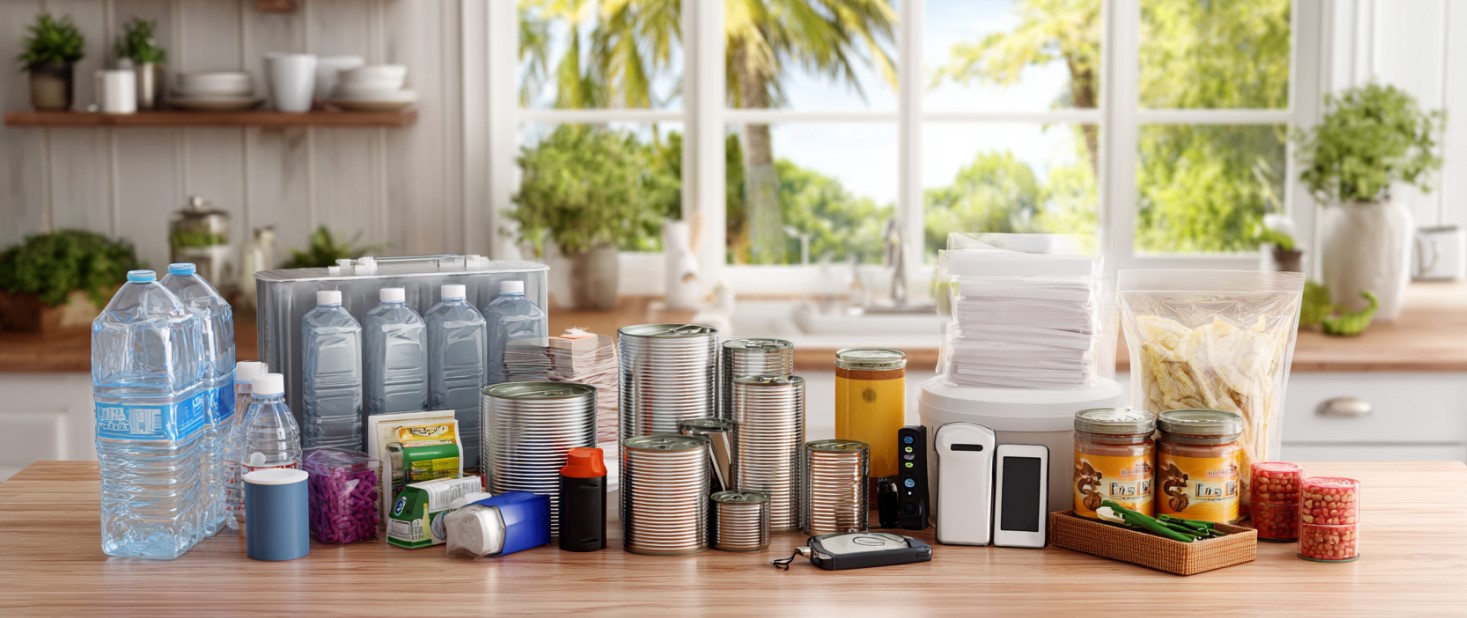
Shelf-stable items like canned goods, nut butters, dry cereals, and protein bars are reliable choices because they require little to no preparation. Foods that don’t depend on refrigeration are especially valuable when power outages are likely.
Balance matters more than variety. A mix of carbohydrates, protein, and fats helps sustain energy levels, while avoiding overly salty foods prevents unnecessary dehydration. And one small but critical detail—make sure you have a manual can opener. It’s a simple tool that becomes essential the moment the power goes out.
Shelf Life and Smart Rotation
Understanding shelf life helps you avoid unnecessary waste while keeping your supplies safe.
Many foods remain usable beyond their printed dates if stored properly. Canned goods, for instance, can last for years as long as the containers remain intact—no rust, swelling, or damage. Dry goods like rice and pasta can last even longer when kept in airtight containers in cool environments.
The key is rotation. Instead of letting supplies sit untouched, incorporate them into your regular meals and replace them as you go. This approach keeps your emergency stock fresh and turns preparedness into a normal part of your routine rather than a separate task.
Planning for Special Needs
Every household is different, and your emergency plan should reflect that reality.
Medical conditions, dietary restrictions, and age-specific needs all influence what you should store. Someone with diabetes may require carefully balanced snacks, while food allergies or gluten intolerance demand specific alternatives. Infants require formula, baby food, and clean water, while older adults may need softer or easy-to-digest options.
Preparedness becomes truly effective when it’s personalized. A generic plan may work on paper, but a tailored one works in real life.
Food Safety During Power Outages
When electricity goes out, food safety becomes a time-sensitive issue. Refrigerators can only maintain safe temperatures for a limited period, and freezers, while more resilient, eventually warm as well.
In general, a closed refrigerator keeps food safe for about four hours, while a full freezer can maintain its temperature for up to two days. After that, the risk of spoilage increases quickly.
Perishable food that has been above safe temperatures for too long should be discarded. It may feel wasteful, but the risk of foodborne illness during an already stressful situation is far worse.
The Comfort Factor
Food isn’t just about survival—it’s also about stability.
During a storm, especially for children, familiar snacks and simple comforts can make a difficult situation feel more manageable. Including a few favorite items in your emergency supply can ease anxiety and help maintain a sense of normalcy.
That emotional support plays a real role in resilience. When people feel calmer, they think more clearly and handle challenges more effectively.
Avoiding Common Mistakes
Many people make the same mistakes when preparing for storms. They focus heavily on snacks but overlook water, or they buy foods that require cooking without having a backup heat source. Others forget about pets entirely or stock up on items their family doesn’t actually eat.
Balanced planning prevents these issues. When your supplies reflect real needs—not impulse decisions—you end up with a system that works rather than one that just looks full.
Is Three Days Really Enough?
The three-day guideline is a starting point, not a finish line. While it reflects the minimum level of preparedness recommended by emergency agencies, real-world events have shown that recovery can take longer—especially after large-scale storms.
Extending your supply to five or seven days adds a valuable layer of security. It gives you flexibility, reduces dependence on immediate aid, and allows you to respond calmly rather than react urgently.
Preparedness works best when it’s built in layers, not rushed at the last minute.
Calm Is Built on Preparation
Storm survival isn’t about stockpiling—it’s about understanding your needs and meeting them thoughtfully.
Water comes first. Food supports energy and stability. Special considerations ensure no one is overlooked. And consistent rotation keeps everything ready when it matters.
When your home is prepared with intention, you gain more than supplies. You gain confidence. And in the middle of uncertainty, that confidence becomes one of your strongest tools.
Because the goal in the calm before the storm isn’t excess—it’s knowing, with certainty, that you have enough.
References
Federal Emergency Management Agency. Emergency Food and Water Supply Guidelines.
American Red Cross. Disaster Preparedness Food and Water Recommendations.
National Weather Service. Severe Weather Preparedness Resources.
Knight. M.K. Calm Before the Storm: Your Step-by-Step Emergency Readiness Handbook. Fort Lauderdale: Tin Roof Publications, 2025.