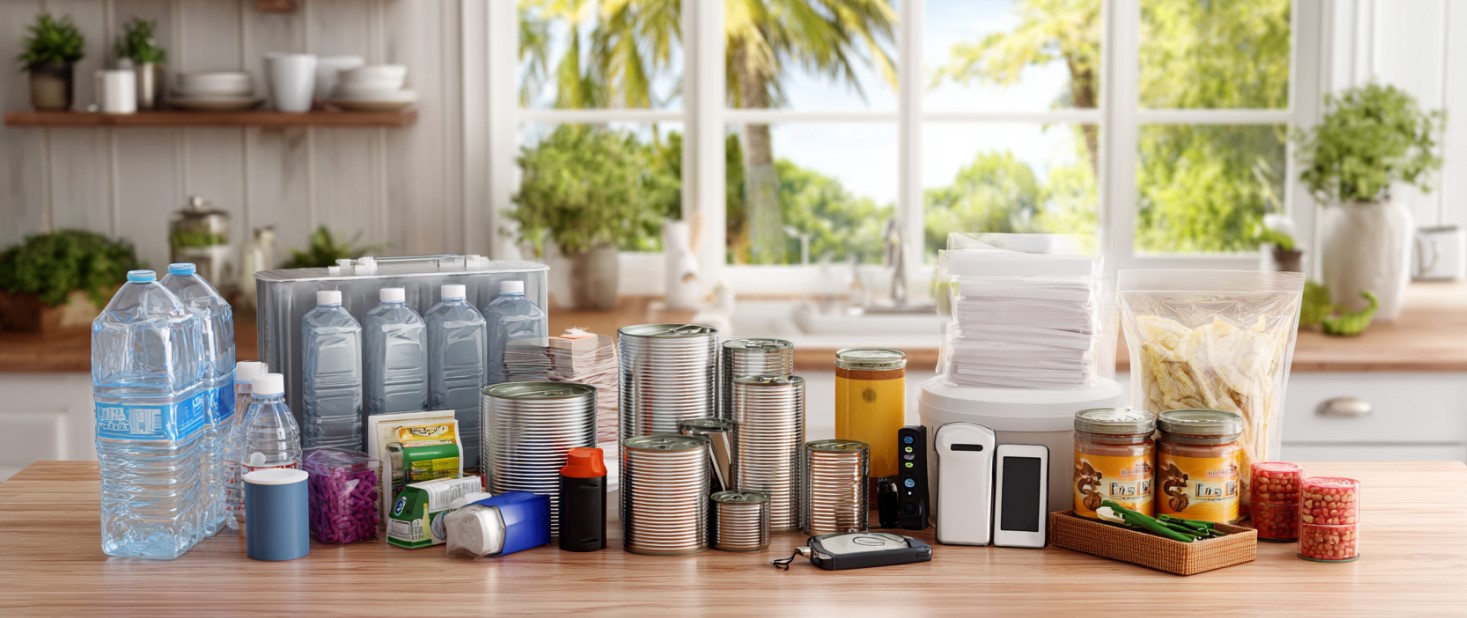
Most families understand the basics of emergency preparedness—water, nonperishable food, flashlights, and batteries. But when real storms hit, it’s rarely the basics that cause the biggest problems. It’s the small, overlooked items that turn an already stressful situation into something far more difficult.
After major disasters, a common theme emerges from those affected: they had the essentials, but they missed the details that make daily life function. Preparedness isn’t just about survival—it’s about maintaining safety, communication, comfort, and a sense of control when normal systems break down.
Organizations like the Federal Emergency Management Agency recommend having enough supplies to support your household for at least 72 hours. But a truly effective emergency kit goes beyond the basics. It anticipates real-life challenges and fills the gaps most people don’t think about—until it’s too late.
The Overlooked Essentials That Make a Difference
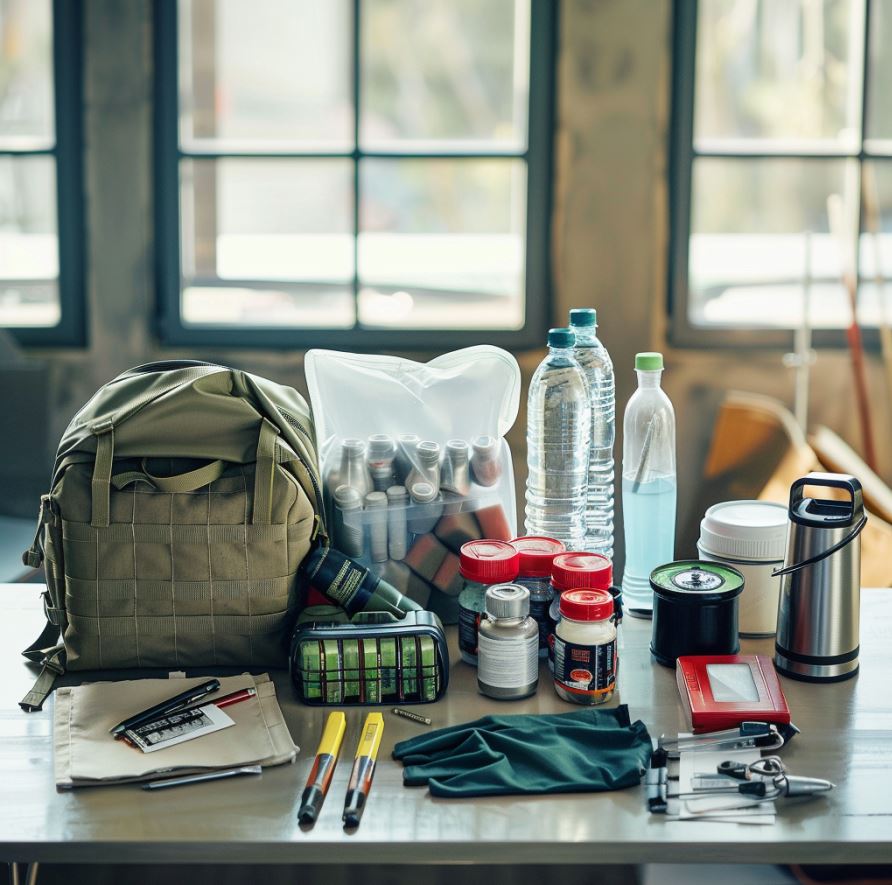
A well-rounded emergency kit includes more than food and water. It should support how you live, communicate, and respond under pressure.
Start with financial access. When power outages knock out card systems and ATMs, cash becomes critical. Small bills, stored in a waterproof pouch, allow you to pay for fuel, supplies, or services when digital payments aren’t an option.
Communication is another weak point during emergencies. Phones die, networks fail, and apps become useless. A printed list of emergency contacts—family, doctors, insurance providers—ensures you can still reach the people you need. Pair this with fully charged portable power banks and car chargers so your devices stay functional as long as possible.
Reliable information is just as important as communication. A battery-powered or hand-crank radio can provide real-time updates when internet and television services go down. In many cases, official alerts and weather updates are still broadcast through radio systems, making it one of the most dependable tools you can have.
Tools, Safety Gear, and Practical Protection
Storm damage often requires immediate action, even before professional help is available. A compact multi-tool or basic toolkit allows you to handle simple but important tasks—shutting off utilities, clearing debris, or making temporary repairs.
Protective gear matters just as much. Durable work gloves shield your hands from broken glass and sharp debris, while dust masks help filter out particles like insulation, mold spores, and dust that often fill the air after a storm.
Sanitation quickly becomes a challenge when water systems are disrupted. Stocking items like hand sanitizer, moist towelettes, trash bags, and basic hygiene products helps prevent illness and keeps your environment manageable. These are the kinds of items people often forget—but rely on heavily once conditions change.
Health, Vision, and Personal Needs
Medical preparedness goes beyond a simple first aid kit. Having at least a three-day supply of prescription medications is essential, along with a printed list of medications and dosages in case refills are needed under unfamiliar circumstances.
Vision is another commonly overlooked factor. If glasses are lost or damaged, even routine tasks become difficult and unsafe. A backup pair of glasses or contact lenses, along with cleaning solution, can make a significant difference.
Lighting also deserves more thought than a single flashlight. Ideally, each family member should have their own light source, and headlamps are especially useful because they free your hands for tasks like repairs or cleanup. Compared to candles, they’re far safer and far more practical.
Comfort, Warmth, and Emotional Stability
Storm preparedness isn’t only physical—it’s emotional. Blankets, including lightweight thermal options, provide warmth during power outages and help maintain comfort during long nights.
Small items like a whistle can be critical in emergencies. If someone becomes trapped or injured, a whistle allows them to signal for help without exhausting themselves.
Equally important are waterproof document pouches. Keeping copies of identification, insurance policies, and medical information protected and accessible can significantly speed up recovery after a disaster.
For families with children, comfort items matter more than many expect. A favorite toy, a book, or a simple game can help reduce anxiety and provide a sense of normalcy in an otherwise stressful environment.
Don’t Overlook Pets and Home Safety
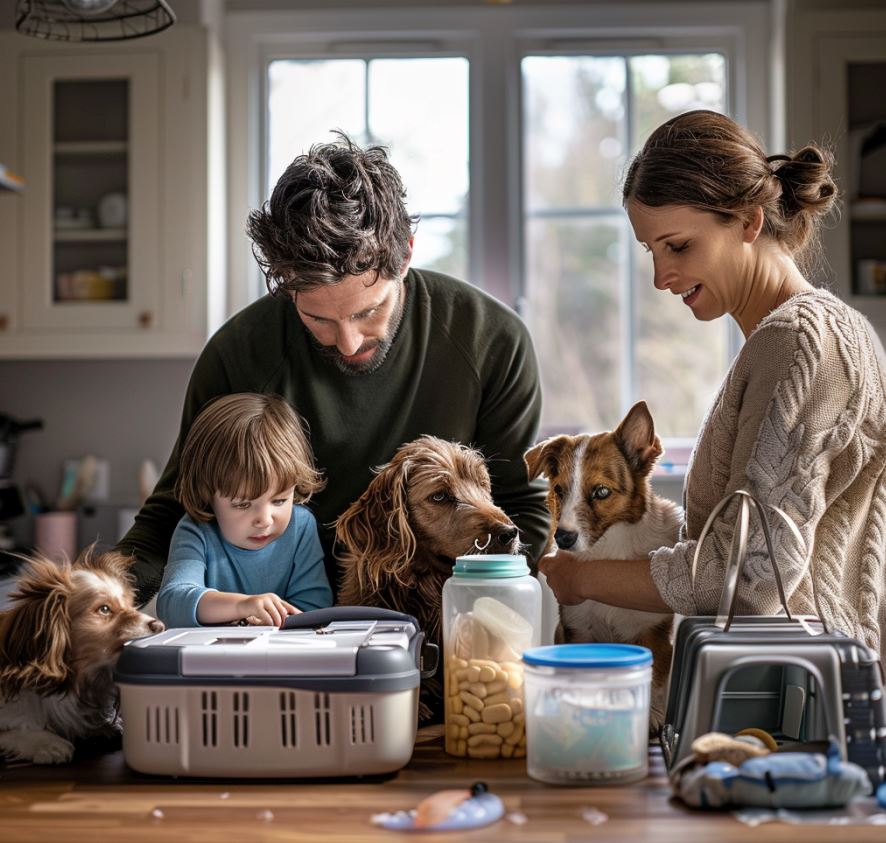
Pets depend entirely on their owners during emergencies, yet they’re often forgotten in planning. Their needs are straightforward but essential: food, water, leashes, and updated vaccination records. These become especially important if you need to relocate or access shelters that require documentation.
Home safety tools also deserve a place in your kit. A fire extinguisher can be critical during storm-related electrical issues, while duct tape and plastic sheeting can provide temporary protection against broken windows or minor structural damage. These simple tools are inexpensive, but their usefulness in an emergency is hard to overstate.
And while most people remember batteries, they often underestimate how many they’ll need. Extra sets for flashlights, radios, and medical devices should always be included—and checked regularly to ensure they’re still usable.
Building a Kit That Fits Your Life
No two households are the same, and your emergency kit should reflect that. A family with an infant will need formula and baby supplies. An older adult may require mobility aids or additional medical support. Dietary restrictions, hearing aids, or specialized equipment should all be factored into your planning.
Preparedness is not one-size-fits-all. A generic checklist is a starting point, but a personalized kit is what truly keeps your household functioning when it matters most.
Storage, Maintenance, and Habit
An emergency kit is only useful if it’s ready when you need it. That means storing it in an accessible, clearly labeled location and checking it regularly.
Supplies should be reviewed every six months. Batteries should be tested or replaced, food should be rotated, and expired items should be removed. Many families tie this routine to seasonal changes or the start of hurricane season to make it a consistent habit.
Preparation isn’t a one-time task—it’s an ongoing process that becomes easier over time.
Avoiding the Last-Minute Rush
When a storm is announced, stores fill quickly and shelves empty even faster. Waiting until the last minute often leads to overspending, poor choices, and forgotten essentials.
Emergency preparedness works best when it happens long before a storm is in the forecast. The calm days are your opportunity to think clearly, plan effectively, and build a kit that actually works.
The Real Benefit: Confidence Under Pressure
An emergency kit does more than provide supplies—it creates stability. When the lights go out and conditions change rapidly, you’re not scrambling or second-guessing your decisions. You know where everything is, and you know you’re ready.
That sense of readiness reduces panic, sharpens decision-making, and allows you to focus on what truly matters: keeping your family safe.
Storms are unpredictable. Your preparation doesn’t have to be. When your kit is built thoughtfully and maintained consistently, you replace uncertainty with confidence—and that may be one of the most valuable resources you have.
References
Federal Emergency Management Agency. Emergency Supply Kit Recommendations.
National Weather Service. Severe Weather Preparedness Resources.
American Red Cross. Disaster Preparedness and Emergency Kit Guidelines.
Knight. M.K. Calm Before the Storm: Your Step-by-Step Emergency Readiness Handbook. Fort Lauderdale: Tin Roof Publications, 2025.