The Power Problem: Surviving Days Without Electricity After a Storm
When a major storm knocks out the electricity, the first few hours can feel almost manageable. You light a flashlight, check your phone, open the refrigerator once or twice, and assume the power will return soon. But as the hours turn into a day, and a day turns into several, the inconvenience becomes a serious challenge.
The refrigerator stops humming. The air conditioner or heater goes silent. Cell phones become harder to keep charged, internet service may disappear, and cooking becomes more complicated. If the outage affects an entire community, gas stations, grocery stores, pharmacies, banks, and restaurants may also be operating with limited services or no electricity at all.
A prolonged outage can affect nearly every part of household life, from food preservation and communication to medical care, sanitation, temperature control, and personal safety. The U.S. Centers for Disease Control and Prevention recommends preparing for the hazards that accompany power loss, including carbon monoxide poisoning, unsafe food, extreme temperatures, and fire risks.
The goal isn’t to make your home function exactly as it normally does. The goal is to create enough backup capacity to protect your family’s health, preserve essential resources, and remain comfortable and informed until electricity is restored.
Prepare Before the Lights Go Out
The best time to solve a power problem is before the power disappears.
When severe weather is approaching, charge every device that may become important during an outage. That includes cell phones, tablets, laptops, rechargeable flashlights, power banks, battery-powered radios, medical equipment, and other essential electronics. Don’t wait until the first thunderclap or hurricane warning to begin charging. If possible, keep several fully charged power banks stored with your emergency supplies.
This is also the time to fill vehicles with fuel, obtain necessary medications, withdraw some cash, and make sure you have several days of food and drinking water available. If you depend on electrically powered medical equipment, determine in advance how long batteries will last and where you can obtain backup power or alternative care if the outage becomes prolonged.
Think about what electricity actually does for your household. It keeps food cold, moves water through pumps, powers medical equipment, controls indoor temperature, provides lighting, charges communication devices, and sometimes operates security systems. Once you identify those functions, you can prioritize which ones need backup power.
Build Backup Power in Layers
You don’t necessarily need a generator large enough to operate your entire house. A more practical strategy for many families is to build backup power in layers, beginning with the smallest and simplest options.
Portable power banks can keep phones and small USB devices operating. A larger battery power station can provide substantially more capacity and may run items such as lights, laptops, routers, medical equipment, or other appropriately rated devices. Solar panels can provide a way to recharge compatible battery systems when an outage lasts longer than your stored energy.
A useful strategy is to think in terms of essential loads rather than trying to recreate normal electricity use. Ask yourself: What absolutely must remain operational? For one household, that might mean a refrigerator and medical device. For another, it might be communications equipment, a small fan, and lighting.
Write down the wattage requirements of your essential devices before purchasing backup equipment. Check the manufacturer’s specifications for both running wattage and startup or surge requirements. This simple step can prevent the frustration of buying a power station or generator that cannot actually operate the equipment you need.
Solar Power Can Extend Your Options
Solar charging isn’t a complete replacement for a generator, but it can become valuable during a long outage. A portable solar panel can recharge compatible power banks and battery stations during daylight hours, allowing you to replenish some of your stored energy without depending entirely on the electrical grid.
Solar performance varies considerably with sunlight, panel size, orientation, weather, and the capacity of the battery being charged. Storm clouds may reduce production dramatically, so solar should be viewed as one component of a layered preparedness plan rather than a guaranteed source of electricity.
If you choose solar equipment, learn how to connect and use it before an emergency. A system sitting unopened in a box during a three-day outage isn’t much help.
Generators: Powerful, but Never Casual
Generators can provide substantial backup electricity, but they also introduce one of the most serious hazards associated with power outages: carbon monoxide poisoning.
The CDC advises operating portable generators outside and at least 20 feet from doors, windows, and vents. A generator should never be operated inside a home, basement, garage, or other enclosed or partially enclosed area, even when doors or windows are open. Carbon monoxide is colorless and odorless, and dangerous concentrations can build quickly.
Install battery-operated or battery-backup carbon monoxide detectors in your home, and test them regularly. Keep the generator dry and follow the manufacturer’s instructions for grounding, fuel, extension cords, maintenance, and electrical connections. Never connect a portable generator directly to household wiring unless the system has been professionally installed with the appropriate transfer equipment.
Fuel planning matters, too. A generator that runs out of fuel in the middle of an extended outage isn’t much help. Store fuel only as permitted by local regulations and the manufacturer’s instructions, and keep gasoline away from living areas and ignition sources.
Protect Your Food Before and During an Outage
Food is one of the first household resources affected by a prolonged power failure. The good news is that you can significantly extend the safe storage period by leaving refrigerator and freezer doors closed.
According to the FDA, an unopened refrigerator generally keeps food cold for about four hours. A full freezer can maintain a safe temperature for approximately 48 hours, while a half-full freezer may last about 24 hours, assuming the door remains closed. Appliance thermometers are extremely useful because they give you actual temperature information instead of forcing you to guess.
Before storm season, consider keeping frozen water containers or ice packs in your freezer. Have coolers available in case refrigerated food needs to be transferred. If an outage lasts beyond the safe refrigeration period, don’t rely on smell or appearance to determine whether food is safe. The FDA specifically advises discarding food that has been kept at unsafe temperatures.
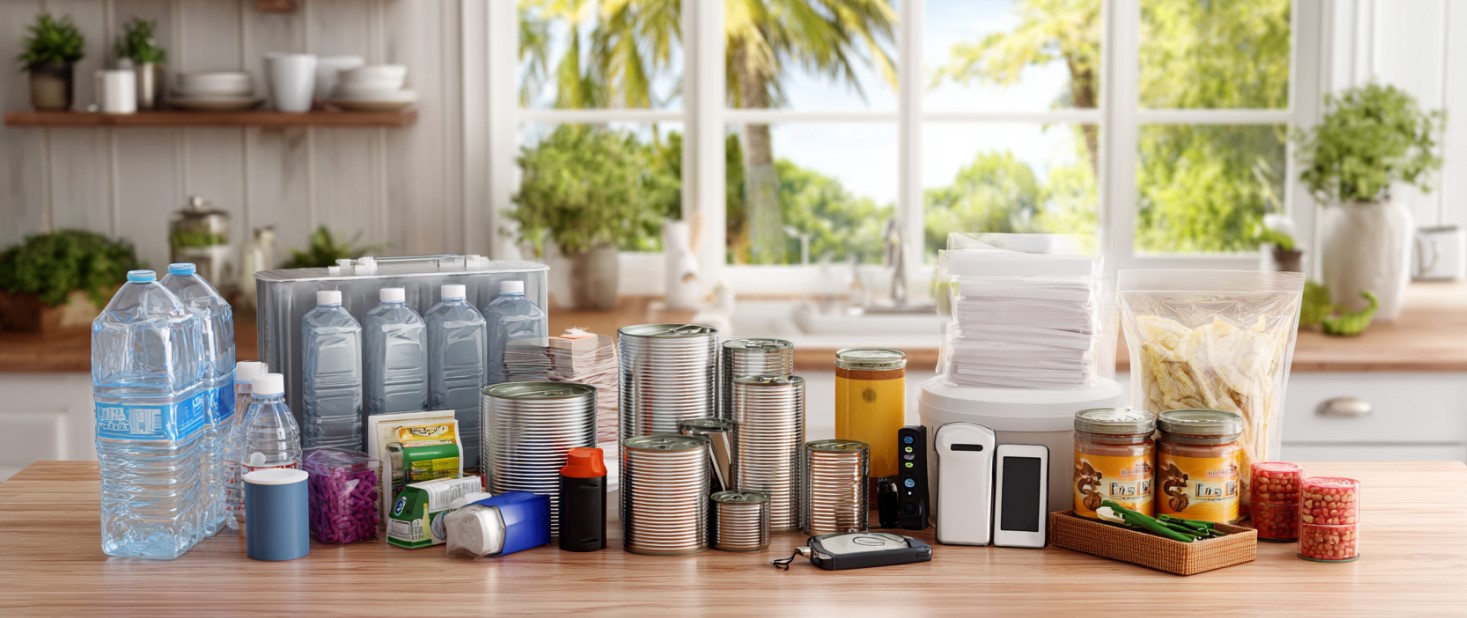
This is where a well-stocked pantry becomes extremely valuable. Canned vegetables, beans, fruit, tuna, nut butter, crackers, shelf-stable milk, protein bars, cereal, dried foods, and ready-to-eat meals can provide nutrition without refrigeration. Keep a manual can opener with your emergency supplies. It is one of those inexpensive items that becomes surprisingly important when the electricity disappears.
Cooking Without Electricity
If you have no electricity, you may still want a hot meal—but cooking methods must be chosen carefully.
Outdoor propane camping equipment, outdoor grills, and other approved outdoor cooking methods can provide options when conditions are safe. Never bring a charcoal grill, outdoor grill, camp stove, or similar fuel-burning appliance indoors or into a garage, basement, tent, or other enclosed area. These devices can produce deadly carbon monoxide.
During severe weather, outdoor cooking may not be practical at all. That’s why part of your emergency food supply should consist of meals that require no cooking. Peanut butter and crackers, canned foods that can be eaten cold, shelf-stable meals, and other ready-to-eat foods can keep your family fed without creating another safety problem.
Staying Cool During a Summer Outage
For families in hot climates, losing air conditioning can become more than an inconvenience. Heat can create a serious health risk, particularly for older adults, young children, people with certain medical conditions, and pets.
Drink water regularly and avoid waiting until you feel extremely thirsty. Wear loose, lightweight clothing, use battery-powered or rechargeable fans when available, and close blinds or curtains during the hottest part of the day to reduce indoor heat gain. If nighttime temperatures are lower outside than inside, opening windows may improve ventilation; however, only do so when outdoor conditions and security make it appropriate.
If your home becomes dangerously hot, don’t try to prove that you can endure it. Consider moving to an air-conditioned relative’s home, community cooling center, shelter, or other safe location when available. CDC guidance similarly recommends seeking a safer location when conditions inside the home become too hot or too cold.
Staying Warm During a Winter Outage
Cold-weather outages require a different strategy. Instead of trying to heat the entire house, concentrate on conserving the heat you already have.
Close doors to unused rooms, cover drafty windows, and gather family members in one area when appropriate. Dress in multiple layers, use blankets and sleeping bags, and wear hats and warm socks to help retain body heat.
Never use an oven or gas range to heat your home. Never use a charcoal grill, outdoor propane appliance, or generator indoors for warmth. These methods can create carbon monoxide or fire hazards.
If you use a portable heater designed and approved for indoor use, follow every manufacturer safety instruction and maintain proper clearance from curtains, bedding, furniture, and other combustible materials. Keep children and pets away from heating equipment.
Water Becomes a Priority
Electricity and water are closely connected in many homes. A power failure may affect private wells, pumps, water treatment systems, or municipal infrastructure.
Store emergency drinking water before severe weather arrives. Federal emergency guidance commonly uses one gallon per person per day as a minimum planning amount, with additional water needed for some circumstances, including pets, heat, illness, and sanitation. The FDA notes that a three-day supply is a minimum and that a longer supply can provide additional protection when space allows.
Keep drinking water separate from water intended for flushing toilets, cleaning, or other household tasks. If authorities issue a boil-water advisory or otherwise warn that tap water is unsafe, follow their instructions and use bottled or properly treated water for drinking, food preparation, and other specified uses.
Protect Your Electronics When Power Returns
The moment electricity comes back can be almost as stressful as the moment it disappeared. Power restoration may involve fluctuations or surges that can damage sensitive electronics.
Unplug expensive or sensitive equipment during the outage when practical, particularly if you don’t need it running. Surge protection and an appropriately sized uninterruptible power supply can provide additional protection for computers, networking equipment, and other electronics.
Don’t immediately plug everything back in the instant the lights come on. Give the electrical system time to stabilize when appropriate, and reconnect essential equipment first.
Don’t Forget Medical Equipment and Medications
A prolonged outage can become particularly difficult for households that depend on electricity for medical equipment, refrigeration, or medication storage.
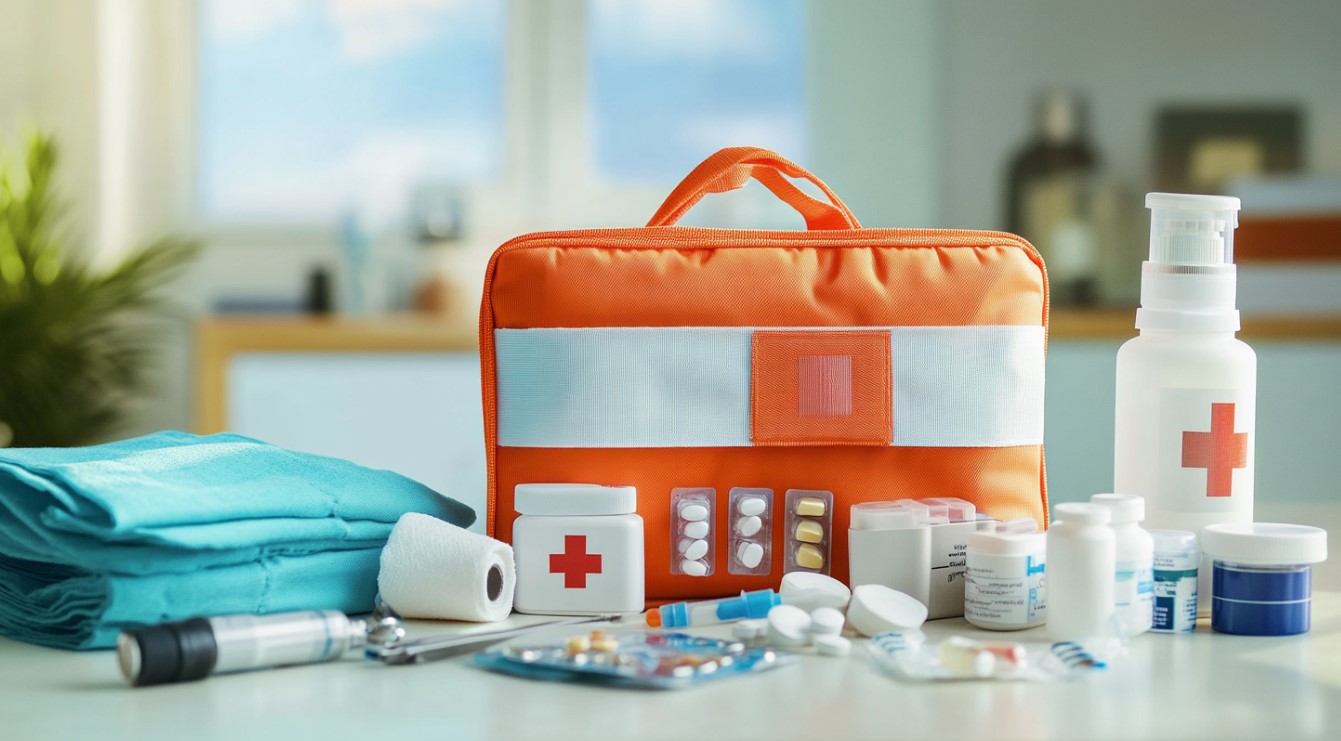
Make a list of medically important equipment and determine how much backup power each device requires. Keep necessary medications organized and maintain a current list of prescriptions, dosages, allergies, and emergency contacts. If a medication requires refrigeration, speak with your pharmacist or healthcare provider ahead of time about appropriate emergency storage procedures.
For anyone who uses oxygen equipment, a CPAP machine, powered mobility equipment, refrigeration-dependent medication, or another electrically dependent medical device, emergency power planning should happen well before storm season.
Light, Communication, and Information Matter
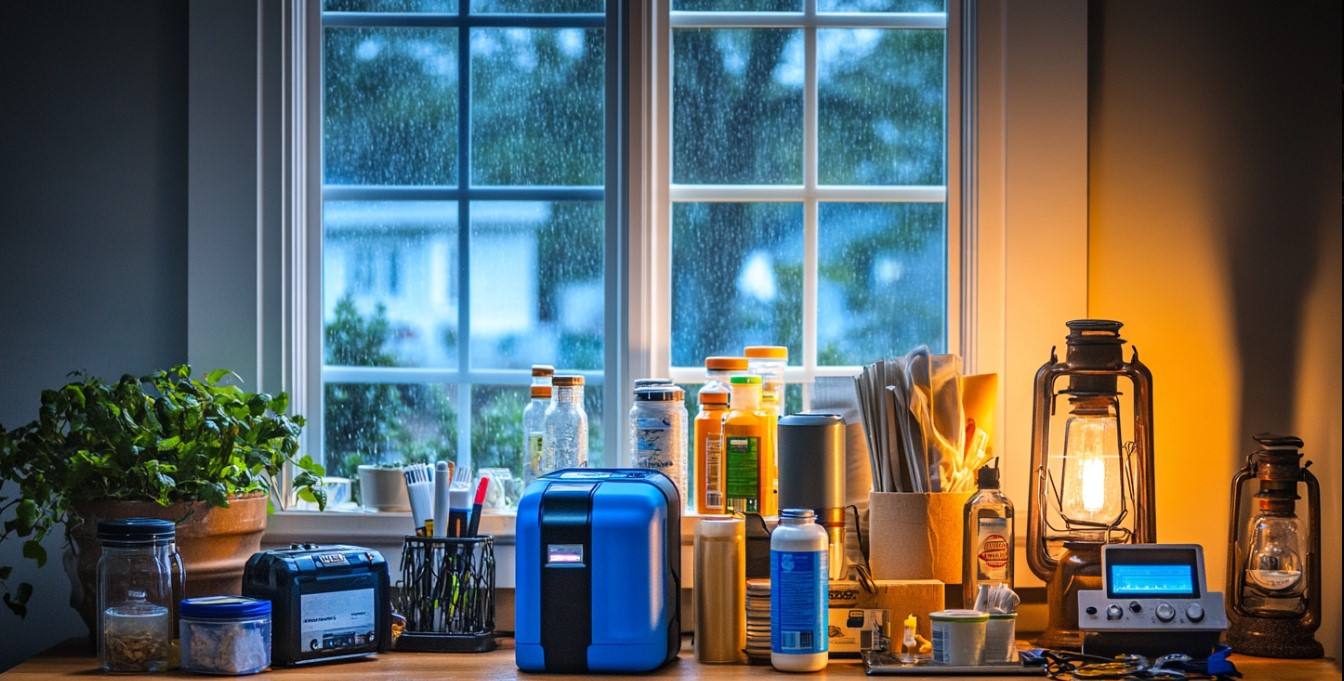
Darkness creates additional hazards after a storm. Keep flashlights and headlamps where everyone in the household can find them, and store extra batteries in a dry location. Headlamps are particularly useful because they leave both hands available for tasks such as preparing food, carrying supplies, or treating a minor injury.
Battery-powered or hand-crank radios can provide access to emergency information when internet and cellular services are unreliable. Keep phones charged, but don’t waste battery life constantly checking social media. Use your phone strategically for emergency communication and official updates.
Write down important phone numbers and addresses before the storm. A digital contact list isn’t useful if your phone battery reaches zero.
Create an Outage Routine
Long outages become easier to manage when the household has a routine.
Instead of allowing everyone to react independently, establish regular times to check weather and emergency information, assess food and water supplies, inspect medical needs, and communicate with family members. Keep meals on a schedule and establish a designated place for flashlights, batteries, chargers, and other frequently used supplies.
If conditions are safe, check on neighbors who may need additional assistance. Older adults, people with disabilities, families with young children, and individuals who depend on medical equipment may face challenges that aren’t immediately visible.
At the same time, protect your own resources. An extended outage requires pacing. Don’t burn through all your batteries, fuel, ice, or drinking water during the first day because you assumed the power would return quickly.
Make Your Power Plan Before You Need It
A resilient household doesn’t necessarily have the biggest generator or the most expensive battery system. It has a plan.
Think about your power needs in layers: lighting, communication, refrigeration, medical equipment, temperature control, water, and cooking. Decide which of those functions are essential and determine how you will maintain each one during a 24-hour, 72-hour, and week-long outage.
Then test your plan.
Turn off the main electricity for a short period, when safe and appropriate, and see what happens. Can everyone find a flashlight? Can you charge a phone? Can you prepare a meal? Do you know how to monitor refrigerator temperatures? Can your backup equipment actually operate the devices you intended to connect?
Testing exposes weaknesses while there is still time to correct them.
When the Lights Go Out, Preparation Becomes Power
A power outage doesn’t have to become a crisis simply because the lights are off. The difference often comes down to preparation made while everything is still working.
A few charged power banks can preserve communication. A properly maintained battery station can support essential equipment. A safe generator can provide significant backup electricity when used correctly. A stocked pantry can reduce dependence on stores, while stored water can provide security when normal supplies are disrupted.
Most importantly, preparation gives your family options.
You don’t have to power your entire home. You need to protect the things that matter most: people, health, communication, food, water, and safety.
The storm may determine when the electricity goes out, but preparation determines how well your household responds when it does.
In the calm before the storm, build your backup-power plan, test your equipment, store what you need, and make sure every member of the household knows what to do.
When the lights go out, your preparation becomes your power.
References:
Centers for Disease Control and Prevention. “What to Do to Protect Yourself During a Power Outage.” CDC, 2024.
Centers for Disease Control and Prevention. “Use a Generator Safely.” CDC, 2024, reviewed August 26, 2026.
Centers for Disease Control and Prevention. “Prevent Carbon Monoxide Poisoning.” CDC, 2024, reviewed August 25, 2026.
U.S. Food and Drug Administration. “Food and Water Safety During Power Outages and Floods.” FDA, 2024.
U.S. Food and Drug Administration. “Power Outages: Key Tips for Consumers About Food Safety.” FDA, 2024.
U.S. Food and Drug Administration. “Hurricane Season: Be Prepared.” FDA, 2024.
Calm Before the Storm. Family Emergency and Medical Preparedness Strategies.