First Aid for the Unexpected: How to Build a Storm-Ready Medical Kit
When storms strike, injuries rarely happen in dramatic, cinematic ways. More often, they happen during ordinary tasks performed under extraordinary circumstances—a slip on wet stairs, a cut from broken glass, a puncture wound from a nail hidden beneath debris, or a burn caused by an improperly handled cooking device.
The danger doesn’t necessarily end when the storm passes. In many disasters, the cleanup period can create additional injuries as people remove fallen branches, repair damaged homes, move debris, clean flooded areas, or attempt to restore normal routines. Roads may be blocked, power outages may interfere with medical facilities, and emergency responders may be dealing with numerous calls at the same time.
That is why a well-prepared household should think beyond the traditional box of adhesive bandages. A storm-ready medical kit should help you handle common minor injuries, protect wounds from contamination, manage basic health needs, and provide essential supplies while you determine whether professional medical attention is necessary.
The purpose of a home first aid kit is not to replace a doctor, emergency department, or trained medical professional. Its purpose is to provide immediate assistance while you seek appropriate care. The American Red Cross recommends keeping first aid supplies readily available, checking them regularly, and customizing kits to meet the specific medical needs of household members.
In the calm before the storm, building that capability can make an enormous difference.
Why a Storm-Ready Medical Kit Is Different
A basic first aid kit is a good starting point, but storms introduce hazards that deserve additional preparation. High winds can break windows and scatter debris. Flooding can expose people to contaminated water and sharp objects. Tornadoes can damage buildings and leave nails, screws, broken wood, and glass throughout yards and streets.
Then there are the secondary hazards.
A prolonged power outage can affect medications that require special storage. Extreme heat can contribute to dehydration and heat-related illness, while winter storms can create dangerous cold conditions. Cooking without electricity introduces burn and fire hazards, and improper generator use can cause carbon monoxide poisoning.
The CDC specifically notes that injuries can increase during and after natural disasters and that prompt care of small wounds can help prevent complications. Open wounds exposed to contaminated floodwater or debris deserve particular attention.
Your medical supplies should therefore reflect the environment in which you live and the types of storms most likely to affect your household.
Start With a Complete Wound-Care Section
Cuts, scrapes, and minor punctures are among the most likely injuries you may encounter after a storm. Your kit should contain enough supplies to treat several injuries rather than assuming one person will need one bandage.
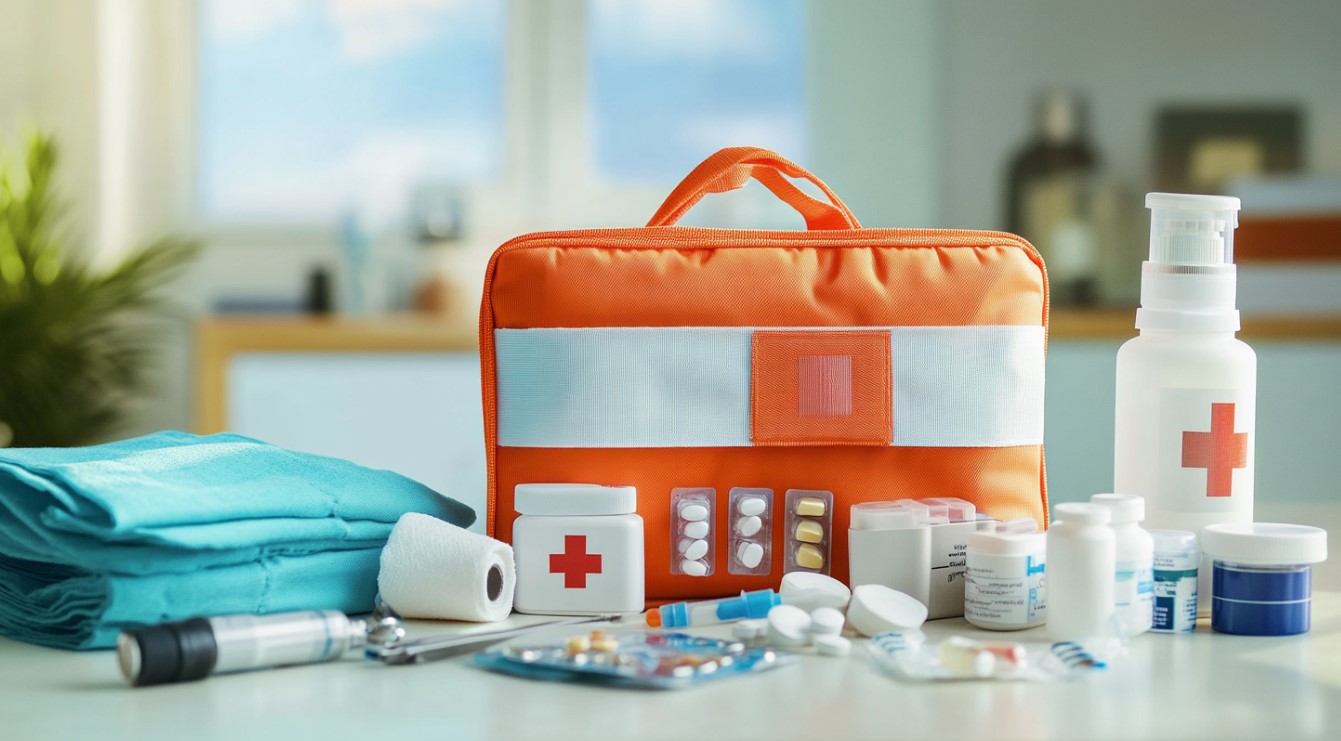
Include assorted adhesive bandages, sterile gauze pads in multiple sizes, rolled gauze, medical adhesive tape, absorbent dressings, elastic bandages, antiseptic wipes, and disposable nonlatex gloves. Tweezers can be useful for small superficial splinters, while medical scissors can help cut tape, clothing, or bandages.
A few larger absorbent dressings are particularly useful because a small adhesive bandage is inadequate for a larger wound. The American Red Cross includes absorbent compress dressings, assorted adhesive bandages, sterile gauze, roller bandages, adhesive tape, gloves, antiseptic wipes, and other basic supplies in its recommended family first aid kit.
For a minor cut, begin by washing your hands or putting on disposable gloves. Once bleeding is controlled, rinse the wound thoroughly with clean running water, remove visible dirt when it can be done easily, and cover the wound with a clean dressing. Change the dressing when it becomes wet or dirty.
Do not underestimate wounds simply because they look small. Increasing redness, swelling, warmth, drainage, worsening pain, or fever can indicate infection and should prompt medical attention. Puncture wounds, animal bites, wounds containing embedded objects, and wounds contaminated by dirty or potentially contaminated materials may require professional evaluation, including assessment for tetanus protection.
Prepare for Serious Bleeding
Most household injuries won’t involve life-threatening blood loss, but severe bleeding is one situation where knowing what to do before an emergency occurs matters enormously.
Your kit should contain several large sterile or clean absorbent dressings, gauze, disposable gloves, and supplies appropriate for controlling severe bleeding. Consider taking a certified first aid course that teaches bleeding-control techniques rather than relying solely on written instructions.
If someone has life-threatening bleeding, call 911 or your local emergency number and follow the dispatcher’s instructions. Apply firm, continuous direct pressure to the wound with appropriate dressing material. If blood soaks through the dressing, additional material can be applied while maintaining pressure rather than repeatedly removing the original dressing.
Do not attempt to remove a deeply embedded object. Instead, control bleeding around the object and seek emergency medical assistance.
The Red Cross emphasizes recognizing life-threatening bleeding as an emergency and calling 911 while providing care appropriate to your level of training.
A first aid kit can provide supplies, but training is what helps you use those supplies effectively. A household member who knows first aid, CPR, and how to use an AED can be an important resource when emergency services are delayed.
Don’t Forget Burns
Cooking, candles, portable heating equipment, damaged electrical systems, and generators can all create burn hazards during an emergency.
Keep sterile nonstick dressings, gauze, medical tape, and clean cloths or other appropriate dressing materials available for minor burns. For a minor thermal burn, cool the affected area under cool running water as soon as possible. Avoid applying ice directly to the burn, and don’t break blisters.
Some burns require immediate professional evaluation rather than home treatment. Seek urgent medical care for serious or extensive burns, burns involving the face, hands, feet, major joints, or genitals, deep burns, electrical burns, chemical burns, or burns accompanied by breathing problems or other serious symptoms.
Remember that prevention is particularly important after storms. If you use a generator, grill, camping stove, or other fuel-burning equipment, follow the manufacturer’s safety instructions and keep equipment intended for outdoor use outside. Carbon monoxide is another major storm-related danger, and a first aid kit cannot treat a dangerous concentration of the gas.
Include the Right Medications
A storm-ready medical kit should include more than bandages.
Households may want to keep commonly used over-the-counter medications such as pain relievers, fever reducers, antihistamines, and other products appropriate for the people who live in the home. However, medications should always be selected and used according to the individual’s age, medical history, allergies, existing medications, and label directions.
Children require particular care because medication doses may depend on age or weight. Keep appropriate measuring devices with liquid medications rather than relying on household spoons.
Prescription medications deserve even more attention. Maintain an adequate supply according to your healthcare provider’s guidance and your ability to obtain refills before a storm. The Red Cross recommends including medications and medical supplies in emergency kits, and its current preparedness guidance encourages households to account for individual medical needs.
Keep a printed medical information sheet with each person’s name, medications and dosages, allergies, important medical conditions, physicians, pharmacy information, and emergency contacts. If your phone becomes unusable or loses power, that paper record can become extremely valuable.
Make a Separate Section for Allergies and Breathing Problems
Storms can dramatically change air quality. Flood cleanup, mold, dust, smoke, and debris can irritate the respiratory system, particularly for people with asthma or other breathing conditions.
If someone in your household uses prescribed inhalers or other respiratory medications, make sure their emergency supplies are included in the preparedness plan. Keep medications accessible rather than buried at the bottom of a storage container.
N95 respirators or other appropriate protective equipment may also be useful during certain cleanup activities, but masks are not protection against carbon monoxide. Carbon monoxide exposure requires prevention and immediate movement to fresh air and emergency assistance when exposure is suspected.
If someone develops severe difficulty breathing, confusion, blue or gray lips or skin, loss of consciousness, or another life-threatening symptom, call 911 immediately.
Prepare for Heat and Cold
A storm can create dangerous temperatures inside a home, especially when the electricity remains off for an extended period.
For hot-weather emergencies, include a thermometer, electrolyte products appropriate for your household, cooling towels or similar supplies, and plenty of water as part of your broader emergency stockpile. Learn the warning signs of heat-related illness, including heavy sweating, weakness, dizziness, nausea, headache, and confusion.
For cold-weather emergencies, include emergency blankets, warm clothing, gloves, hats, and sleeping bags appropriate to the conditions. Confusion, unusual drowsiness, slurred speech, and uncontrollable shivering can indicate a serious cold-related problem.
Temperature-related illness can become especially dangerous for older adults, infants, people with certain medical conditions, and anyone without access to reliable heating or cooling. Your first aid kit should therefore be considered one part of a larger emergency plan that includes water, shelter, appropriate clothing, and a safe way to regulate temperature.
Think About Children
Children’s medical needs aren’t simply smaller versions of adult needs.
Include age-appropriate medications, a reliable dosing syringe or measuring device, children’s bandages, and supplies for common minor injuries. If a child has asthma, allergies, diabetes, or another medical condition, make sure their emergency medications and supplies are incorporated into the family’s preparedness plan.
A small comfort item can also have practical value. A favorite stuffed animal, blanket, book, or other familiar object may help reduce anxiety when a child is frightened by unfamiliar surroundings, darkness, evacuation, or damage to the home.
Keep medications and potentially dangerous medical supplies secured so children cannot access them without adult supervision.
Plan for Older Adults and People With Special Needs
Emergency preparedness should account for the actual people in your household, not an imaginary average family.
Older adults may need prescription medications, hearing aid batteries, eyeglasses, mobility equipment, blood pressure equipment, or other personal supplies. Someone who uses a wheelchair, walker, oxygen equipment, CPAP machine, or other medical device may need backup power and a specific evacuation strategy.
The Red Cross recommends customizing emergency kits for individual household needs, including medical equipment and supplies.
Make a written list of equipment and supplies that each person depends on every day. Then ask an important question: What happens if we cannot buy or recharge this item for several days?
Answering that question before a storm gives you time to find a solution.
Don’t Forget Your Eyes, Ears, and Hands
Storm cleanup is hard on the body, and basic protective equipment can prevent many injuries before they happen.
Keep sturdy work gloves, protective eyewear, durable shoes or boots, and appropriate masks or respirators with your emergency supplies. Never assume that debris is harmless simply because it is familiar. Broken glass, exposed nails, sharp metal, contaminated materials, and unstable structures can create serious hazards.
Work gloves aren’t a substitute for careful inspection. Before moving debris, look for electrical hazards, unstable structures, snakes or other animals, and hidden sharp objects.
If power lines are down, stay away and keep others away. Do not touch a person, tree, fence, vehicle, or other object that may be energized by a fallen line. Contact the appropriate utility or emergency authorities instead.
A First Aid Kit Needs Good Lighting
One of the most overlooked medical supplies after a storm is adequate lighting.
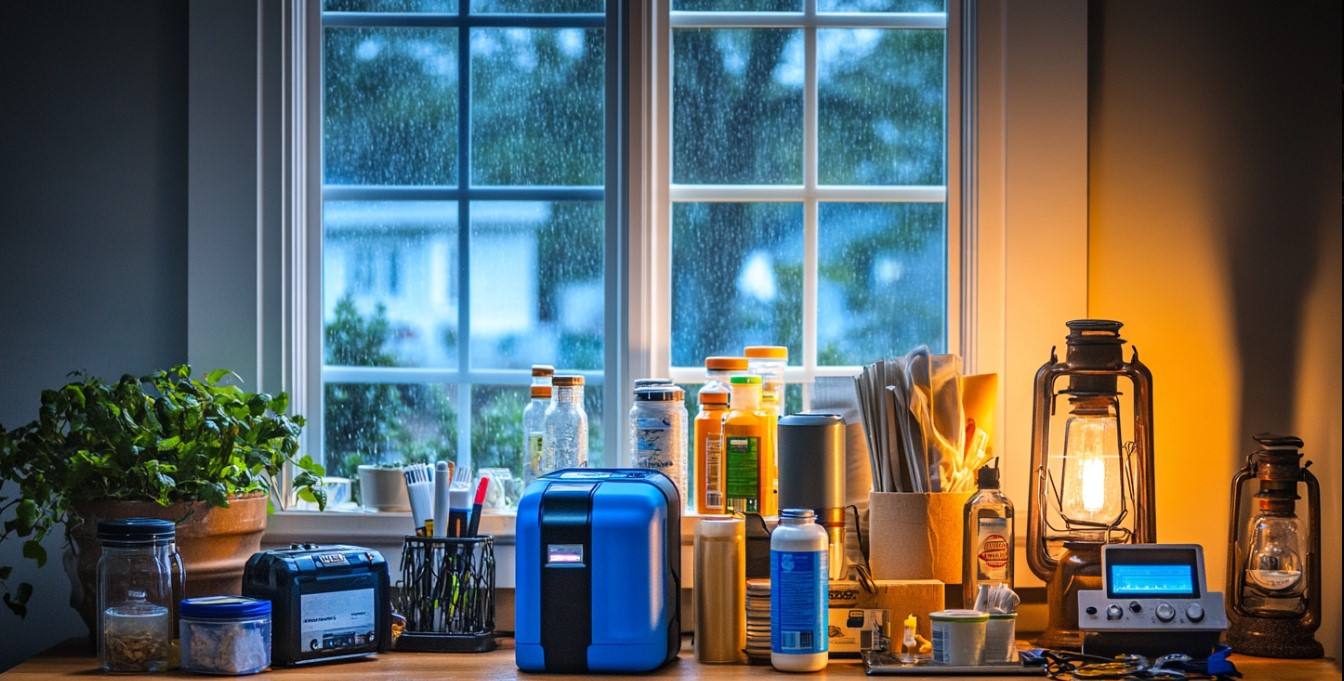
Treating a wound in a dark room increases the possibility of mistakes. Keep a flashlight or headlamp with your medical supplies, along with spare batteries or a rechargeable light source that can be independently powered.
A headlamp can be especially useful because it keeps both hands available while examining a wound or applying a dressing. Keep a separate flashlight nearby rather than depending exclusively on the light on your phone, since your phone battery may be needed for emergency communication.
Consider a CPR Face Shield and Emergency Instructions
A CPR barrier or breathing mask can provide a protective barrier during rescue breathing. More importantly, every household should consider formal first aid and CPR training.
Supplies cannot tell you when an injury is life-threatening. Training helps you recognize emergencies and take appropriate action while professional help is on the way.
The Red Cross recommends first aid, CPR, and AED training as important components of disaster preparedness. Its current guidance emphasizes that during disasters, professional assistance may be delayed and trained bystanders may be called upon to provide immediate care.
Keep a basic first aid reference guide in the kit as a backup. Written instructions should supplement training, not replace it.
Know When First Aid Isn’t Enough
One of the most important parts of preparedness is knowing your limits.
Call 911 or seek emergency medical care for life-threatening bleeding, difficulty breathing, loss of consciousness, signs of stroke or heart attack, severe burns, major injuries, serious allergic reactions, suspected spinal injuries, severe head injuries, or other conditions that appear life-threatening.
Don’t move someone unnecessarily if you suspect a serious head, neck, or spinal injury unless remaining where they are creates an immediate danger. The Red Cross advises calling 911 and providing care based on the condition and the responder’s level of training.
During a disaster, people sometimes delay medical care because they assume hospitals and emergency services are overwhelmed. That can be dangerous. If an injury is serious, contact emergency services and follow their instructions rather than attempting to manage a life-threatening situation with a household first aid kit.
Protect Wounds During Storm Cleanup
The period after a storm deserves special attention.
Floodwater may contain sewage, chemicals, bacteria, debris, and other contaminants. Open wounds should be protected from contact with floodwater whenever possible. Wear appropriate protective equipment during cleanup and wash wounds promptly if exposure occurs.
The CDC recommends cleaning open wounds and cuts with soap and clean water and seeking medical evaluation when appropriate. Puncture wounds and wounds that become increasingly painful, swollen, red, or draining deserve medical attention.
Don’t let the urgency of cleanup cause you to ignore an injury. A few minutes spent cleaning and covering a wound may prevent a much larger problem later.
Store Your Medical Kit Where You Can Find It
The best medical kit in the world won’t help if nobody knows where it is.
Keep the primary kit in a clearly identified, easily accessible location that is protected from moisture and extreme temperatures. A waterproof container can help protect supplies from storm-related water damage.
Consider creating smaller kits as well. A home kit can contain the largest supply of materials, while a compact kit can be stored in the car or go-bag. The Red Cross recommends maintaining first aid supplies for home and other locations where they may be needed.
Make sure every adult and responsible older child knows where the kit is stored. In an emergency, you don’t want someone searching through closets while another person is waiting for medical supplies.
Inspect the Kit Twice a Year
Preparedness isn’t a one-time purchase.
Set a reminder to inspect the medical kit at least twice a year. Check expiration dates, replace medications and supplies that have expired, replenish anything that has been used, and make sure batteries still work.
It’s also a good idea to review the kit whenever your household changes. A new baby, a new prescription, an aging family member, a new pet, or a change in medical needs may require completely different supplies.
The Red Cross specifically recommends regularly checking first aid kits and replacing used or outdated contents.
The Most Important Item Isn’t in the Kit
You can purchase every bandage, gauze pad, thermometer, glove, and medical supply imaginable, but one of the most valuable preparedness resources is knowledge.
Take a first aid and CPR course. Learn how to recognize life-threatening bleeding. Understand basic wound care. Know the warning signs of heat illness and hypothermia. Learn what to do when someone has a serious allergic reaction or stops breathing.
Then teach the rest of your household what they need to know.
A well-stocked kit gives you equipment. Training gives you the ability to use it.
Calm Through Competence
A storm-ready medical kit isn’t about expecting the worst or trying to turn your home into an emergency room. It is about acknowledging that storms can disrupt the systems people normally depend upon and preparing for the period before those systems are fully restored.
A cut can happen while clearing debris. A sprain can happen on wet stairs. A burn can happen while preparing food without electricity. A chronic medical condition can become harder to manage when pharmacies, transportation, or power are disrupted.
Preparedness gives you a way to respond.
Organize your supplies. Learn how to use them. Keep medical information on paper. Account for children, older adults, pets, and household members with specific medical needs. Protect yourself during cleanup, and know when an injury requires professional care.
The objective isn’t to eliminate every risk. That isn’t possible.
The objective is to make sure that when something unexpected happens, you aren’t starting from zero.
In the calm before the storm, build your medical kit, learn the skills that go with it, and make sure your family knows where everything is.
Because when professional help is delayed, preparation can provide the critical first response—and sometimes those first minutes matter most.
References:
American Red Cross. “Make a First Aid Kit: What to Include.” American Red Cross.
American Red Cross. “First Aid Steps.” American Red Cross.
American Red Cross. “Know Important Information to Stay Safe.” American Red Cross.
American Red Cross. “Is Your Disaster Preparedness Kit Missing Something? It’s Not Just Supplies. It’s Lifesaving Skills.” American Red Cross, September 10, 2026.
Centers for Disease Control and Prevention. “Emergency Wound Care After a Natural Disaster.” CDC, April 24, 2024.
Centers for Disease Control and Prevention. “Safety Guidelines: After a Tornado.” CDC.
Centers for Disease Control and Prevention. “Build an Emergency Kit.” CDC, reviewed August 26, 2026.
Calm Before the Storm. Family Emergency and Medical Preparedness Strategies.