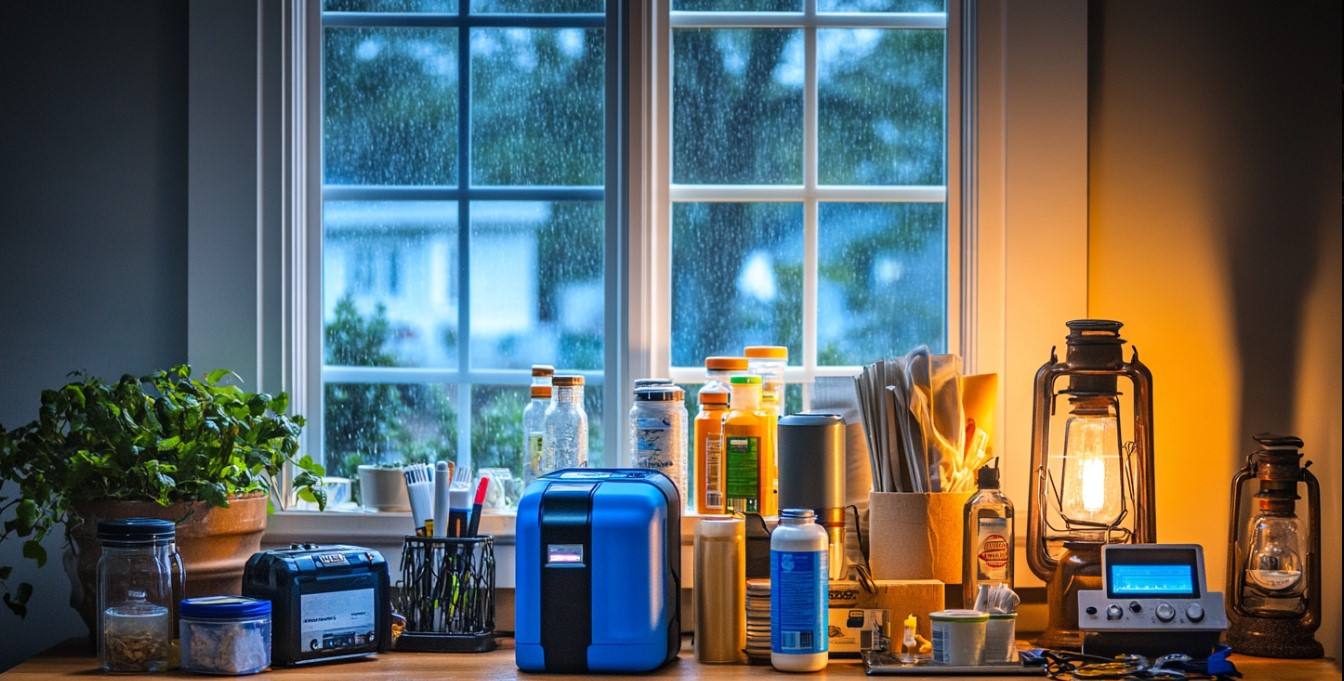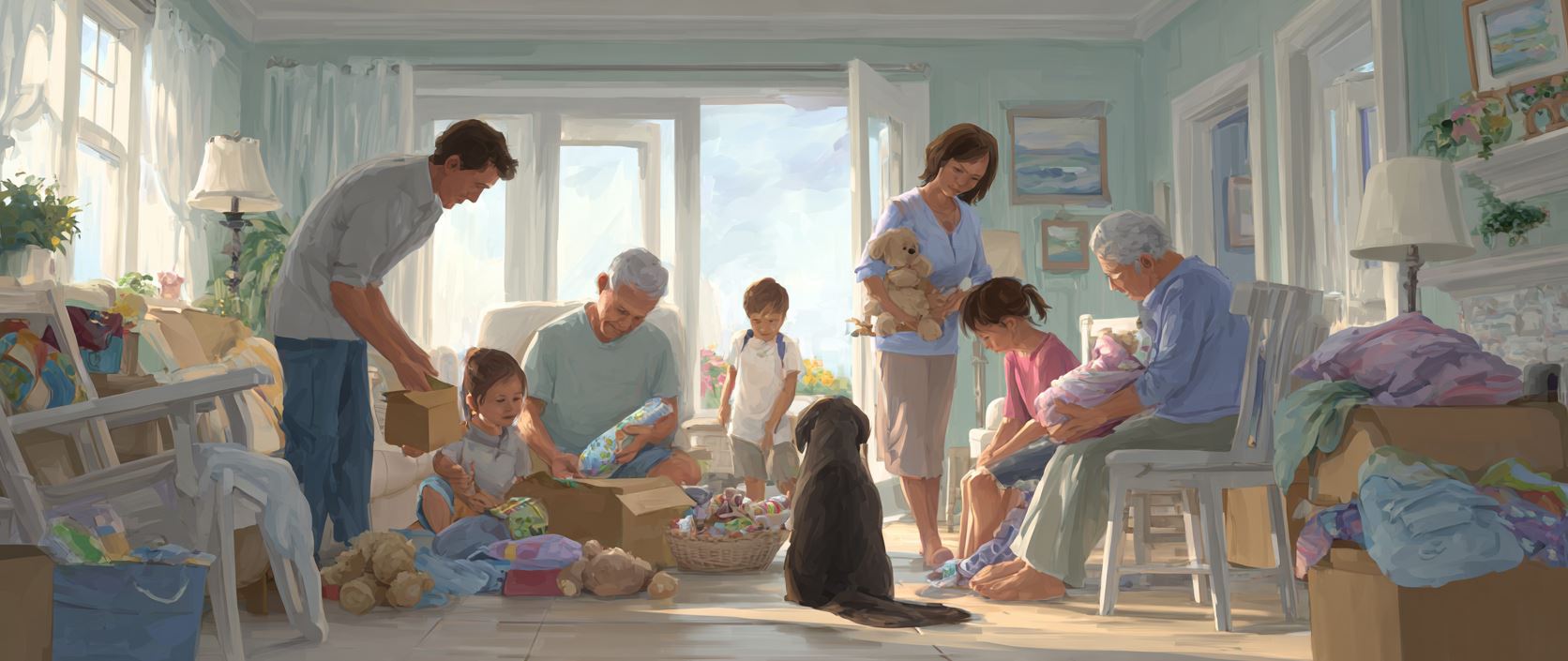
When a storm is approaching, most families move quickly to gather essentials—water, food, flashlights, medications. But in the rush to prepare, one important part of the household is often overlooked until the last minute: pets.
Dogs, cats, birds, and other companion animals rely completely on their humans for safety. They don’t understand evacuation orders or weather alerts, but they do sense fear, pressure changes, and disruption. That combination can make storms especially stressful—and dangerous—for them. True preparedness means planning for every member of the household, including the ones who can’t prepare for themselves.
Why Pet Preparedness Matters
Storms introduce risks that affect animals differently than humans. Floodwaters, debris, extreme temperatures, and separation during evacuation can all become life-threatening. In many past disasters, families have delayed evacuation or made unsafe decisions because they didn’t have a plan for their pets.
That’s why organizations like the Federal Emergency Management Agency emphasize pet-inclusive planning. When pets are accounted for ahead of time, decisions become clearer, faster, and safer.
Preparation isn’t just about logistics—it’s about removing hesitation in critical moments.
Building a Pet Emergency Kit
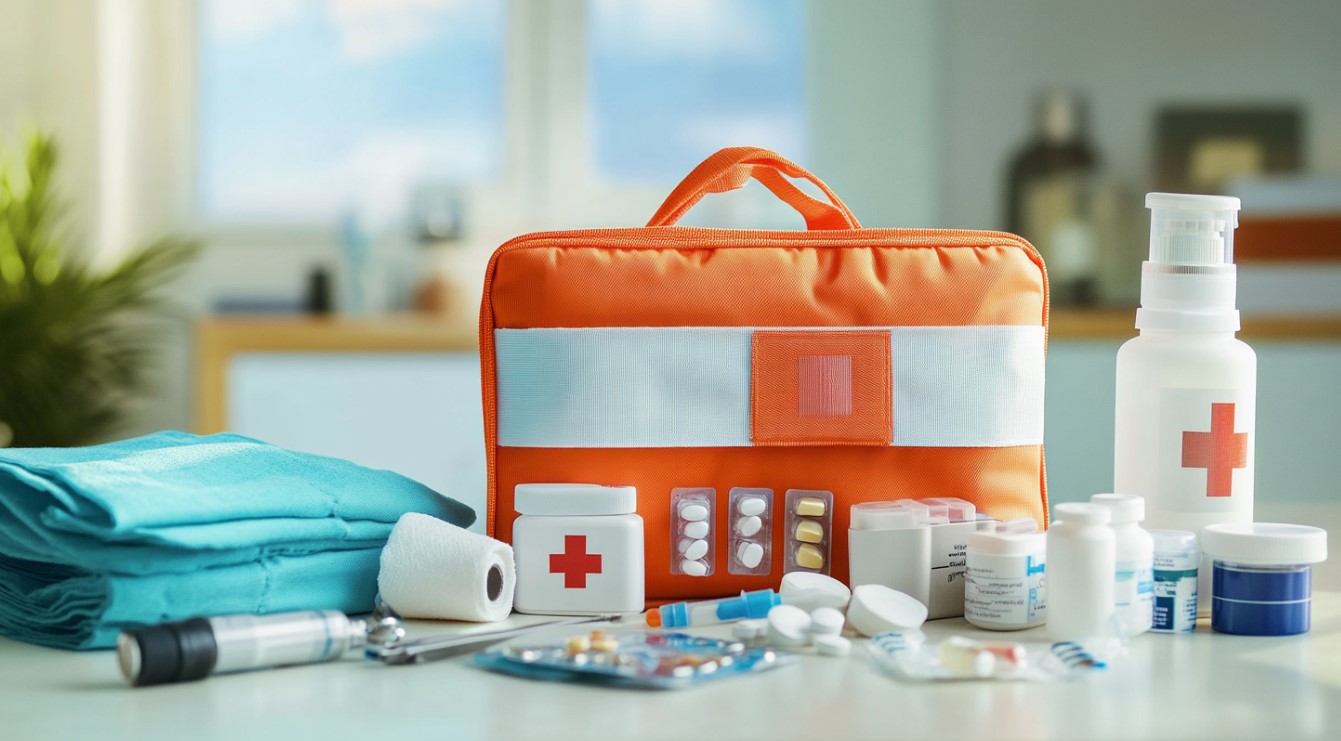
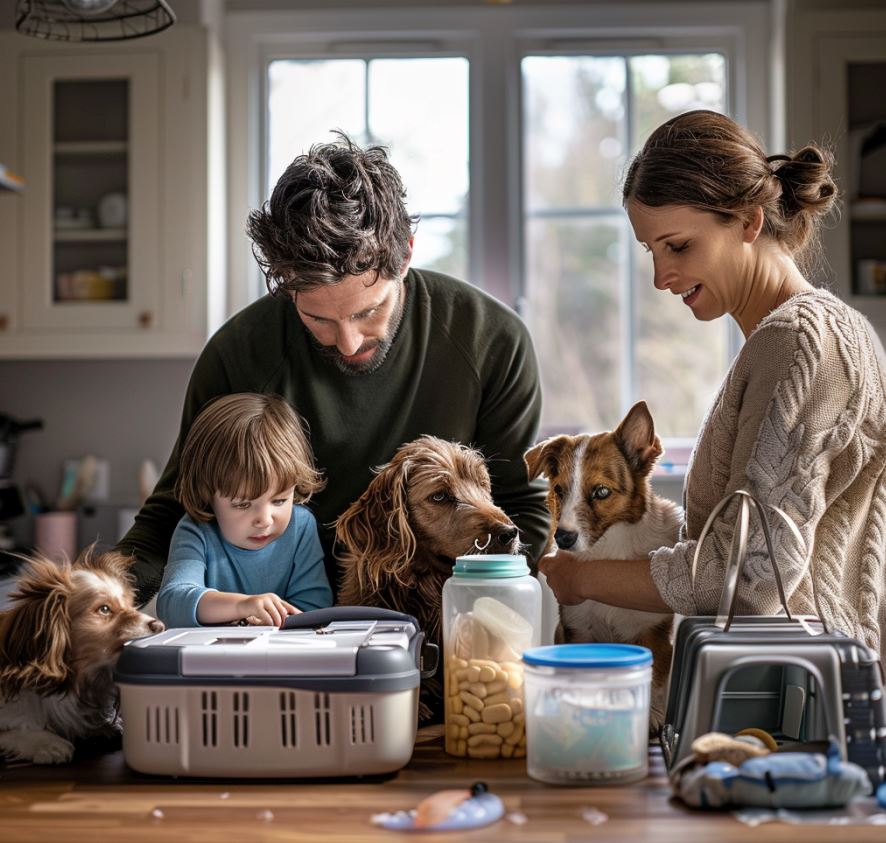
Your pet should have their own emergency kit, ready to go before storm season begins. Think of it as a portable version of their daily needs, packed in a way that’s easy to grab and transport.
Start with the essentials: enough food and water for at least three days, stored in sealed, portable containers. Add collapsible bowls for convenience, and include any medications along with written instructions and veterinary contact information.
Every pet should also have a leash, harness, and a properly sized carrier. Even the calmest animals can panic in high-stress situations, and secure containment helps prevent escape or injury. Waste supplies, such as litter or bags, are equally important for maintaining hygiene if you’re displaced.
Comfort items—like a favorite blanket or toy—may seem small, but they play a powerful role in reducing anxiety. Including a recent photo of your pet can also be invaluable if you become separated.
Identification: Your Pet’s Lifeline
One of the most heartbreaking outcomes after a storm is a lost pet with no way to return home. Identification dramatically increases the chances of reunion.
At a minimum, pets should wear a collar with an updated ID tag that includes your phone number and a backup contact. Microchipping adds another layer of protection, as collars can break or slip off during stressful situations.
Accurate, up-to-date information is key. After disasters, shelters and relief organizations often work together to reconnect families, but identification is what makes those reunions possible.
Planning for Evacuation
Evacuation planning should never begin when a storm is already approaching. Knowing where your pet can go ahead of time removes uncertainty and prevents rushed decisions.
Research pet-friendly hotels, boarding facilities, or friends and family outside your immediate area who can help. Not all emergency shelters accept animals, so it’s important to confirm policies in advance rather than assume.
When it’s time to leave, bring pets indoors early and secure them in carriers before loading the rest of your supplies. This reduces the risk of them running off in confusion. And one rule always applies: if it’s not safe for you, it’s not safe for them either.
Shelter-in-Place Safety
If you’re staying home during a storm, your pet still needs a secure environment.
Bring all animals indoors and keep them in a safe, interior space away from windows. Storms can trigger panic, and even familiar environments can feel threatening when conditions change. A quiet, enclosed area helps reduce stress and prevents escape.
After the storm passes, caution is just as important. Hazards like broken glass, sharp debris, and contaminated water may not be immediately visible. Give your surroundings a careful inspection before allowing pets to roam freely again.
Managing Stress and Anxiety
Storms can be overwhelming for animals. Thunder, wind, and sudden changes in pressure or light often trigger fear responses.
You might notice pacing, trembling, excessive noise, or attempts to hide. Creating a calm environment can make a significant difference. A quiet space, familiar items, and even soft background noise can help reduce the intensity of their reaction.
Your own behavior matters, too. Animals are highly attuned to human emotions. When you remain calm and steady, it signals safety to them in a way they instinctively understand.
Special Considerations for Different Pets
Not all animals respond to storms in the same way, and preparation should reflect those differences.
Birds may benefit from partially covered cages to reduce visual stress, while still allowing airflow. Reptiles often require temperature regulation, which can become challenging during power outages. Small mammals need secure carriers and clean bedding, especially if relocation becomes necessary.
The key is to think through your specific pet’s needs ahead of time. What keeps them safe and comfortable on a normal day should guide how you prepare for an emergency.
After the Storm: Staying Safe
Once the storm has passed, risks don’t disappear immediately. Debris, standing water, and environmental contamination can all pose hidden dangers.
Inspect your yard or surroundings carefully before letting pets explore. Avoid floodwater entirely, as it may contain harmful bacteria or chemicals. Pay attention to changes in your pet’s behavior as well—unusual reactions can signal injury or stress that needs attention.
Access to veterinary care may be limited after a disaster, so having contact information readily available can save valuable time.
Documentation and Readiness
Keeping your pet’s records organized is an often-overlooked part of preparedness. Vaccination records, microchip details, and veterinary contacts should be stored in a waterproof container and backed up digitally if possible.
These documents are often required for boarding or sheltering and can make transitions much smoother during an already stressful time.
Preparedness Is a Responsibility
Pets trust their owners completely. They don’t understand why routines change or why the environment suddenly feels unsafe—they simply rely on you to guide them through it.
Preparing for them isn’t an extra step. It’s part of the responsibility that comes with caring for them.
When you plan ahead, everything becomes more manageable. Evacuations are smoother. Sheltering is calmer. Recovery is less chaotic. And most importantly, your entire family—pets included—moves through the experience together.
Calm Starts With You
Animals take their cues from the people around them. Your preparation, your tone, and your actions all shape how they respond in stressful situations.
When you’re ready, they’re safer. When you’re calm, they’re more at ease.
Storms are inevitable. But with thoughtful preparation, your pets can face them with the same safety and care you provide every other member of your household.
Because preparedness isn’t just planning—it’s protection in action.
References
Federal Emergency Management Agency. Pet Preparedness and Evacuation Guidance.
American Red Cross. Pet Disaster Safety Planning Resources.
National Weather Service. Severe Weather Safety Recommendations.
Knight. M.K. Calm Before the Storm: Your Step-by-Step Emergency Readiness Handbook. Fort Lauderdale: Tin Roof Publications, 2025.