Storm-Proofing Your Home: Simple Steps to Keep You Safe and Minimize Damage
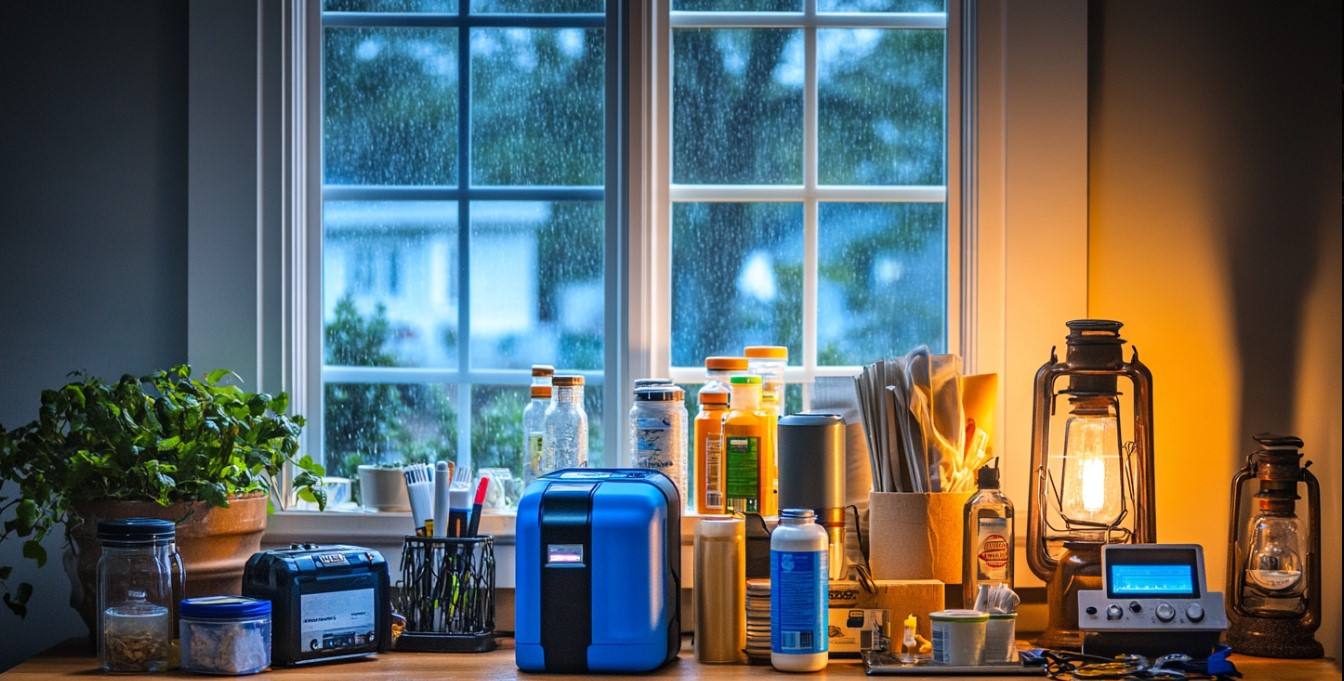
When a storm is forecast, most families focus on what’s inside the house—food, water, flashlights, batteries.
But the real battle often happens outside your front door.
Your home is your first line of defense against wind, rain, debris, ice, and flooding. And while no structure is invincible, strategic preparation dramatically reduces damage, financial loss, and personal risk.
Storm-proofing is not about fear. It’s about foresight.
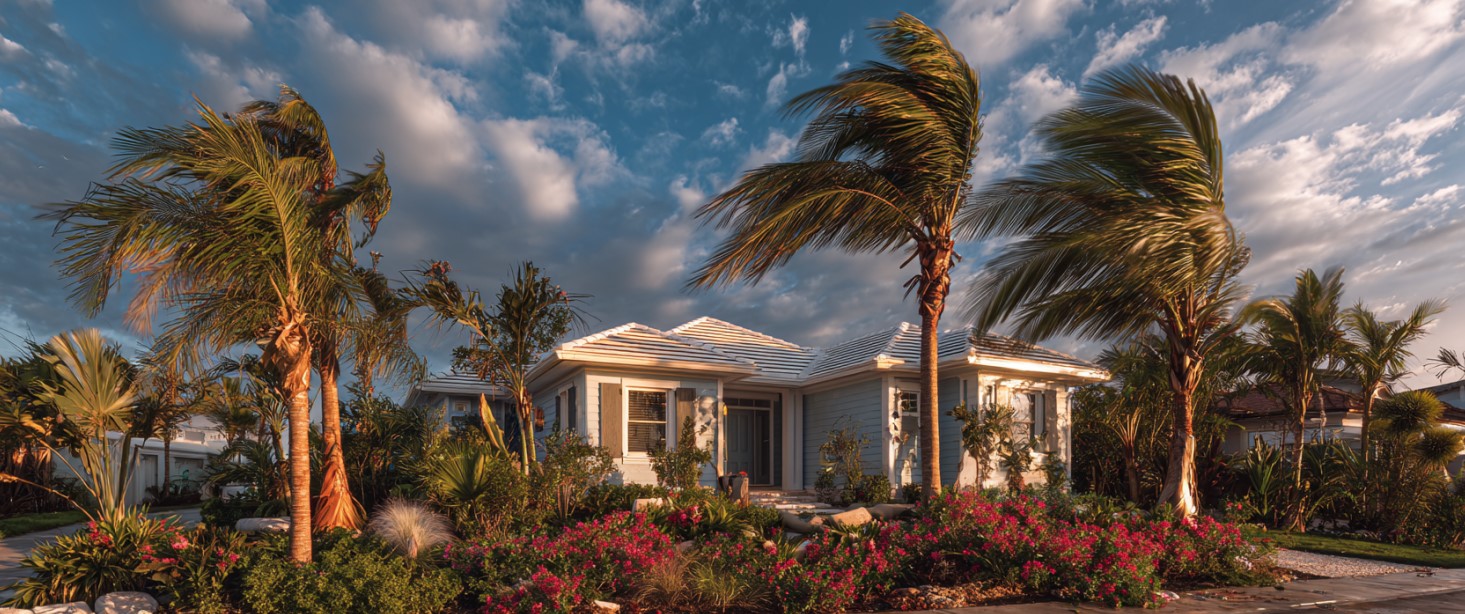
Small preventive steps taken in calm weather can prevent catastrophic damage later. Whether you live in hurricane-prone coastal regions, tornado zones, wildfire-adjacent areas, or communities vulnerable to severe thunderstorms and winter storms, proactive home protection matters more than ever.
Here’s how to strengthen your home before the skies turn dark.
Start at the Top: Roof and Gutters
Your roof absorbs the brunt of wind, rain, hail, and falling debris. Yet it’s often overlooked until it leaks.
Inspect your roof annually for:
- Missing or loose shingles
- Cracked flashing
- Soft spots or sagging areas
- Loose fasteners
If repairs are needed, address them before storm season. High winds exploit small weaknesses and turn them into major failures.
Gutters and downspouts are equally critical. Clogged gutters cause water to back up under shingles and pool around foundations. During heavy rainfall, this increases the risk of leaks and flooding.
Clean gutters at least twice per year. Ensure downspouts extend several feet away from your home’s foundation to direct water safely away.
In regions monitored by the National Weather Service, intense rainfall events are becoming more frequent. Proper drainage is no longer optional—it’s protective infrastructure.
Secure Windows and Doors
Windows are among the most vulnerable parts of any home during high winds.
Flying debris can shatter glass, allowing wind and rain to pressurize the interior. In hurricanes and tornadoes, this pressure can contribute to roof uplift and structural failure.
Storm-proofing options include:
- Impact-resistant windows
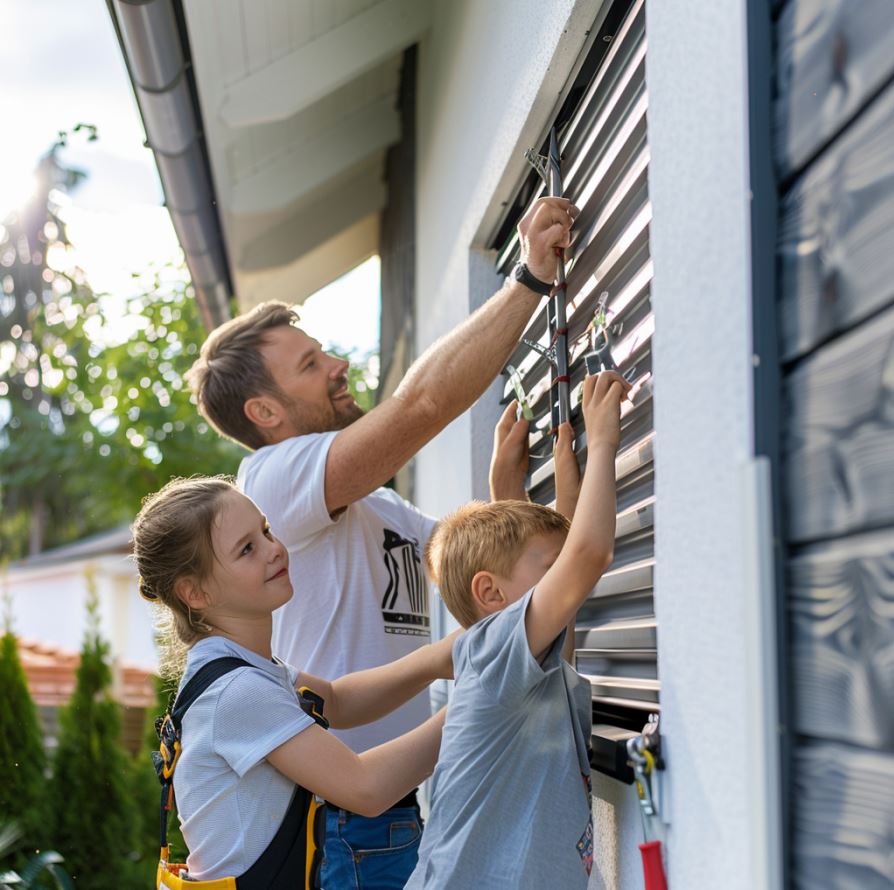
- Storm shutters
- Plywood panels pre-cut and labeled for quick installation
If you use shutters, practice installing them before an emergency. Waiting until winds increase makes installation dangerous.
Doors should be reinforced with:
- Heavy-duty hinges
- Deadbolts with at least a one-inch throw
- Weather stripping to prevent water intrusion
Garage doors deserve special attention. Because of their size, they are highly susceptible to wind pressure. Reinforcement kits are available to increase resistance.
According to guidance from the Federal Emergency Management Agency, reinforcing entry points significantly reduces structural damage during severe wind events.
Trim Trees and Remove Hazards
One of the most common causes of storm damage is falling trees and branches.
Dead limbs, overhanging branches, and shallow-rooted trees pose serious risks during high winds or heavy snow accumulation.
Inspect trees annually and:
- Remove dead branches
- Trim limbs that extend over your roof
- Cut back branches near power lines (with professional help)
- Remove unstable or diseased trees
Also secure outdoor items that can become projectiles:
- Patio furniture
- Grills
- Trash bins
- Decorative yard items
Even moderate winds can turn unsecured objects into dangerous debris.
Landscaping is not just aesthetic—it’s defensive.
Strengthen Your Foundation Against Flooding
Flooding causes more property damage annually than any other natural hazard.
If you live in a flood-prone area:
- Elevate appliances such as water heaters and HVAC units.
- Seal foundation cracks.
- Install sump pumps with battery backups.
- Consider flood barriers or sandbags for entry points.
Know your flood zone status and insurance coverage. Standard homeowners policies typically do not include flood damage. The Federal Emergency Management Agency oversees the National Flood Insurance Program, which provides additional protection in vulnerable regions.
Water moves fast. Preparation must move faster.
Install Backup Power Safely
Power outages are common during severe storms. They disrupt heating, cooling, refrigeration, communication, and medical equipment.
Backup generators can provide critical continuity—but only when used correctly.
Options include:
- Portable generators
- Standby whole-home generators
If using a portable generator:
- Operate it outdoors only.
- Keep it at least 20 feet from doors and windows.
- Use heavy-duty extension cords rated for outdoor use.
Never operate generators inside garages, even with doors open. Carbon monoxide poisoning is a silent and deadly risk.
Install carbon monoxide detectors with battery backups throughout your home.
Whole-home generators offer automatic activation and safer integration but require professional installation.
Backup power is not a luxury—it’s resilience.
Protect Electronics with Surge Suppression
Lightning strikes and power surges frequently accompany storms.
Sensitive electronics—computers, televisions, smart appliances—can be damaged instantly.
Install:
- Whole-house surge protectors at the electrical panel.
- Individual surge protector strips for high-value electronics.
Unplug devices during major electrical storms when possible.
Data protection matters too. Back up digital files regularly to secure cloud storage or external hard drives stored in waterproof containers.
Storm-proofing includes protecting information, not just infrastructure.
Prepare Your Safe Space
Every home should have a designated safe area based on regional risk.
For tornado-prone areas:
- Choose an interior room on the lowest level.
- Avoid windows.
- Consider reinforced safe rooms.
For hurricanes:
- Select a central interior room away from glass.
- Keep emergency supplies nearby.
For winter storms:
- Stock blankets and insulation materials.
- Identify a space that retains heat efficiently.
The National Weather Service recommends identifying safe shelter areas well before warnings are issued.
You should never decide where to shelter while sirens are sounding.
Maintain Regular Home Inspections
Storm-proofing is not seasonal—it’s ongoing.
Schedule annual reviews of:
- Roofing integrity
- Foundation stability
- Drainage systems
- Window seals
- Electrical systems
Home maintenance reduces insurance claims and long-term repair costs.
Take photos of your home’s condition before storm season. Documentation supports insurance claims if damage occurs.
Avoid Last-Minute Mistakes
When a storm is imminent, rushing leads to errors:
- Climbing ladders in high winds.
- Improperly installing shutters.
- Running generators indoors.
- Ignoring evacuation orders.
Preparation belongs in the calm—not the countdown.
Waiting until the last minute increases risk to both people and property.
Storm-Proofing Is an Investment in Peace
Storm-proofing does not guarantee zero damage. Nature remains powerful and unpredictable.
But preparation shifts the odds.
Secured windows reduce shattered glass.
Trimmed trees prevent roof collapse.
Cleared gutters reduce flooding.
Backup power protects vulnerable family members.
Each step compounds protection.
Most importantly, storm-proofing reduces panic. When winds intensify, you are not scrambling—you are ready.
Your home becomes what it was meant to be: shelter.
In the calm before the storm, you have time.
Use it wisely.
Because when the storm arrives, preparation is no longer optional—it is protection.
References
Federal Emergency Management Agency. Home Preparedness and Mitigation Resources.
National Weather Service. Severe Weather Safety and Structural Protection Guidance.
American Red Cross. Preparing Your Home for Natural Disasters.
Knight. M.K. Calm Before the Storm: Your Step-by-Step Emergency Readiness Handbook. Fort Lauderdale: Tin Roof Publications, 2025.