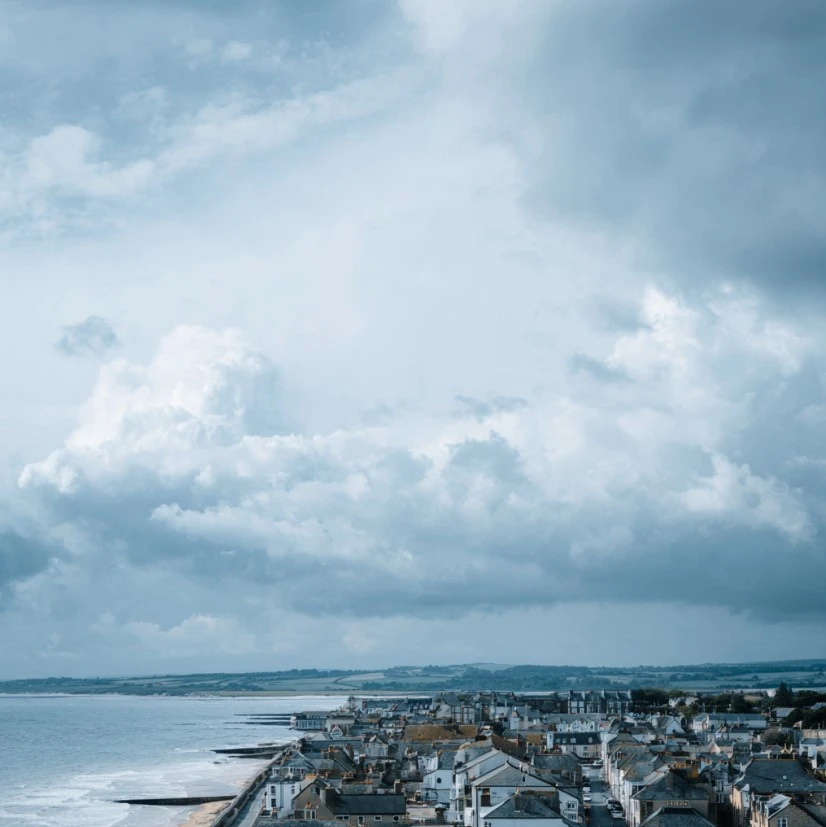

There’s a moment before every major storm when the air feels strangely still. The sky may darken. The wind pauses. Birds disappear. It is a quiet that can feel almost peaceful—until it isn’t.
That space—the calm before the storm—is where preparation lives.
Today, that calm matters more than ever.
Across the country and around the world, extreme weather events are becoming more frequent, more intense, and less predictable. From record-breaking hurricanes to flash floods, from prolonged heat waves to sudden winter freezes, the patterns we once relied on are shifting. Preparedness is no longer something reserved for coastal towns during hurricane season. It is a life skill for everyone.
A Changing Climate, A Changing Risk Landscape
Communities are experiencing storms that fall outside historical norms. Warmer oceans fuel stronger hurricanes. Shifting jet streams alter storm tracks. Prolonged droughts make land less able to absorb heavy rainfall, increasing flash flooding.
Organizations like the National Oceanic and Atmospheric Administration (NOAA) and the Intergovernmental Panel on Climate Change (IPCC) continue to document measurable changes in weather intensity and frequency. What used to be described as “once-in-a-generation” events now occur every few years.
But preparedness is not about debating causes. It is about acknowledging reality.
Storms are stronger. Systems are strained. And recovery is more complicated.
Infrastructure Under Pressure
Much of our infrastructure—roads, bridges, drainage systems, electrical grids—was built decades ago for a different climate reality and a smaller population. When extreme weather hits aging systems, cascading failures can follow.
Power grids fail under ice accumulation or high wind. Urban drainage systems overflow during sudden downpours. Rural roads wash out. Cell towers lose connectivity. Supply chains stall.
The blackout during Hurricane Katrina revealed how infrastructure collapse can compound human suffering. More recently, Winter Storm Uri demonstrated how unprepared energy systems can leave millions without heat, water, or electricity for days.
Preparedness at the individual level does not replace systemic responsibility. But it bridges the gap between impact and recovery.
When infrastructure falters, personal readiness becomes critical.
The Myth of “It Won’t Happen Here”
One of the greatest obstacles to preparedness is psychological, not logistical.
We tend to believe disasters happen elsewhere.
Wildfires are a West Coast problem. Hurricanes are coastal. Tornadoes stay in “Tornado Alley.” Blizzards are a northern issue.
Yet recent years have blurred these lines. Hurricanes have traveled inland with destructive force. Wildfires have erupted in unexpected regions. Tornado outbreaks have occurred outside traditional seasons. Historic floods have submerged communities that had never previously required flood insurance.
Risk maps are evolving. So must our mindset.
Preparedness is not paranoia. It is practical resilience.
Personal Safety in an Uncertain Era
Storms do not just damage property. They disrupt the rhythms that make daily life possible:
- Access to clean water
- Reliable communication
- Medical care and prescription access
- Fuel supply
- Safe transportation
When systems fail, even temporarily, small inconveniences escalate quickly. A three-day power outage can mean spoiled food, lost wages, school closures, and vulnerable neighbors in danger.
Preparedness protects what matters most: people.
Families with emergency supplies, evacuation plans, and communication strategies consistently fare better during disasters. They make decisions earlier. They avoid panic. They reduce exposure to harm.
Preparedness is empowerment.
Economic Consequences Are Rising
Storms carry financial costs that ripple far beyond the initial event. According to NOAA, billion-dollar weather disasters have become increasingly common in the United States over the past decade. Insurance premiums rise. Deductibles increase. Some regions face reduced coverage options altogether.
But beyond insured losses are hidden costs:
- Temporary displacement
- Business interruption
- Home repairs not fully covered
- Mental health impacts
- Lost community resources
When households are financially unprepared, recovery can take months—or years.
Emergency savings, proper insurance coverage, documented home inventories, and digital backups of critical documents are not luxuries. They are stability tools.
Community Resilience Starts at Home
Preparedness is often framed as an individual responsibility. In truth, it is collective.
When more households are prepared:
- Emergency services are less overwhelmed.
- Shelters operate more efficiently.
- First responders can prioritize the most vulnerable.
- Recovery accelerates.
Prepared neighbors check on one another. They share resources. They coordinate information. They reduce chaos.
Resilient communities are built long before the storm arrives.
The Emotional Side of Readiness
Storm preparedness is not only about flashlights and generators. It is about emotional steadiness.
Disasters trigger fear. Uncertainty amplifies stress. When people feel unprepared, anxiety intensifies. When they have a plan, even a simple one, stress decreases.
Knowing:
- Where you will go
- How you will communicate
- What supplies you have
- Who depends on you
…creates psychological stability in unstable moments.
That calm can be the difference between reaction and response.
Preparedness in the Digital Age
Modern preparedness includes digital awareness. Storm alerts now arrive through smartphone notifications. Weather radar apps provide real-time tracking. Social media spreads updates—but also misinformation.
Reliable sources matter. Agencies such as the Federal Emergency Management Agency (FEMA) and the National Weather Service (NWS) provide verified information before, during, and after storms.
Digital preparedness also means:
- Backing up important documents securely
- Charging devices in advance
- Maintaining battery backups
- Protecting against cyber scams that often follow disasters
Preparedness evolves with technology.
The Cost of Waiting
After every major storm, interviews follow a familiar pattern:
“We didn’t think it would be this bad.”
“We thought we had more time.”
“We meant to prepare.”
Preparation feels optional—until it isn’t.
The window for action is rarely as long as we expect. Supply shortages occur quickly. Gas stations run dry. Store shelves empty. Evacuation routes clog.
The calm before the storm is not a pause to ignore. It is a call to act.
Practical Readiness: Start Simple
Preparedness does not require panic buying or elaborate survival bunkers. It begins with manageable steps:
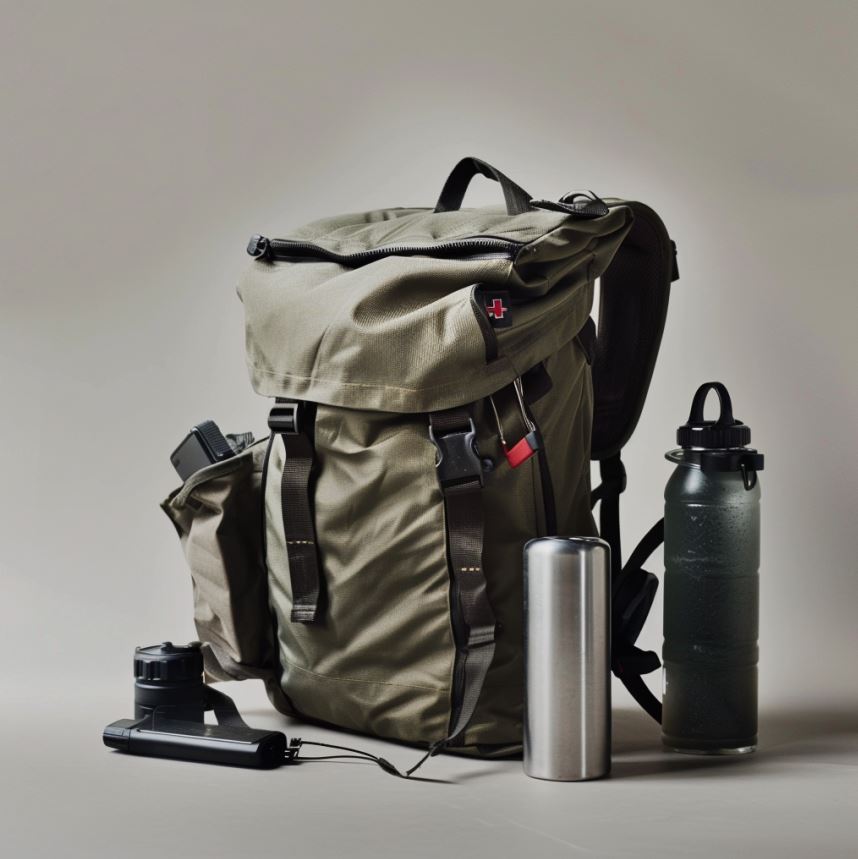
- Assemble a basic emergency kit with water, nonperishable food, medications, flashlights, and first aid supplies.
- Create a family communication plan with meeting locations and emergency contacts.
- Review insurance coverage annually.
- Understand your local risks—flood zones, evacuation routes, shelter locations.
- Store critical documents in waterproof containers and digital backups.
Small actions compound into significant protection.
Preparedness as a Lifestyle
Preparedness is not a one-time checklist. It is a mindset of readiness.
It means paying attention to forecasts.
It means respecting evacuation orders.
It means investing in prevention rather than reacting to damage.
It means teaching children what to do, not shielding them from the conversation.
Preparedness is stewardship—of our homes, our families, and our communities.
The True Meaning of the Calm
The calm before the storm is not merely atmospheric. It is symbolic.
It represents opportunity.
An opportunity to strengthen foundations.
An opportunity to reduce harm.
An opportunity to move from vulnerability to resilience.
Storms will continue. Weather patterns will evolve. Infrastructure will strain. But preparedness transforms uncertainty into strategy.
When the winds rise and the rain falls, the goal is not fearlessness. It is readiness.
Because the calm before the storm is not the end of the story.
It is the beginning of wise action.
References
National Oceanic and Atmospheric Administration (NOAA). Billion-Dollar Weather and Climate Disasters Data.
Intergovernmental Panel on Climate Change (IPCC). Assessment Reports on Climate Change
Impacts and Risks.
Federal Emergency Management Agency (FEMA). Ready.gov Preparedness Guidelines.
National Weather Service (NWS). Severe Weather Safety Resources.
Knight, M.K., The Calm Before the Storm: Your Step-by-Step Emergency Readiness Handbook, Tin Roof Publications, 2024.