When a storm is approaching, one question determines everything:
Are we leaving—or are we staying?
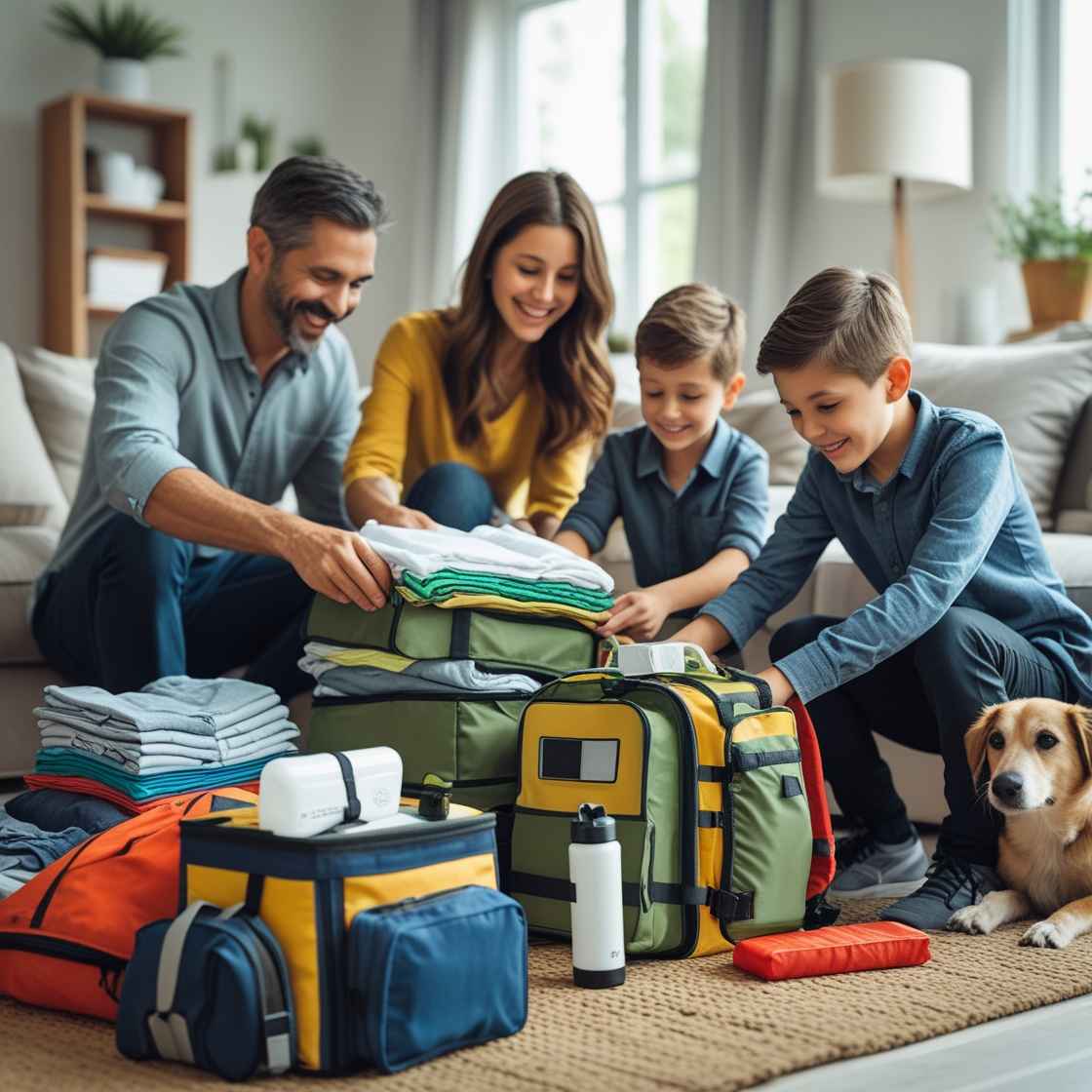
The answer shapes what you pack, how you prepare, and how safely your family weathers the event. Yet many households treat emergency supplies as one generic kit tossed in a closet. In reality, effective preparedness requires two distinct strategies: a go-bag for evacuation and a stay-bag (or shelter-in-place kit) for riding the storm out at home.
Understanding the difference can mean the difference between mobility and chaos, between comfort and crisis.
Let’s break down what each bag is designed to do—and what every household truly needs in both.
The Purpose of a Go-Bag
A go-bag is built for speed.
It’s what you grab when authorities issue an evacuation order, when floodwaters begin rising, when wildfire smoke overtakes your neighborhood, or when structural damage makes your home unsafe. You may have minutes—not hours—to leave.
Agencies like the Federal Emergency Management Agency emphasize the importance of immediate evacuation readiness, especially in hurricanes, fast-moving wildfires, and certain flood scenarios.
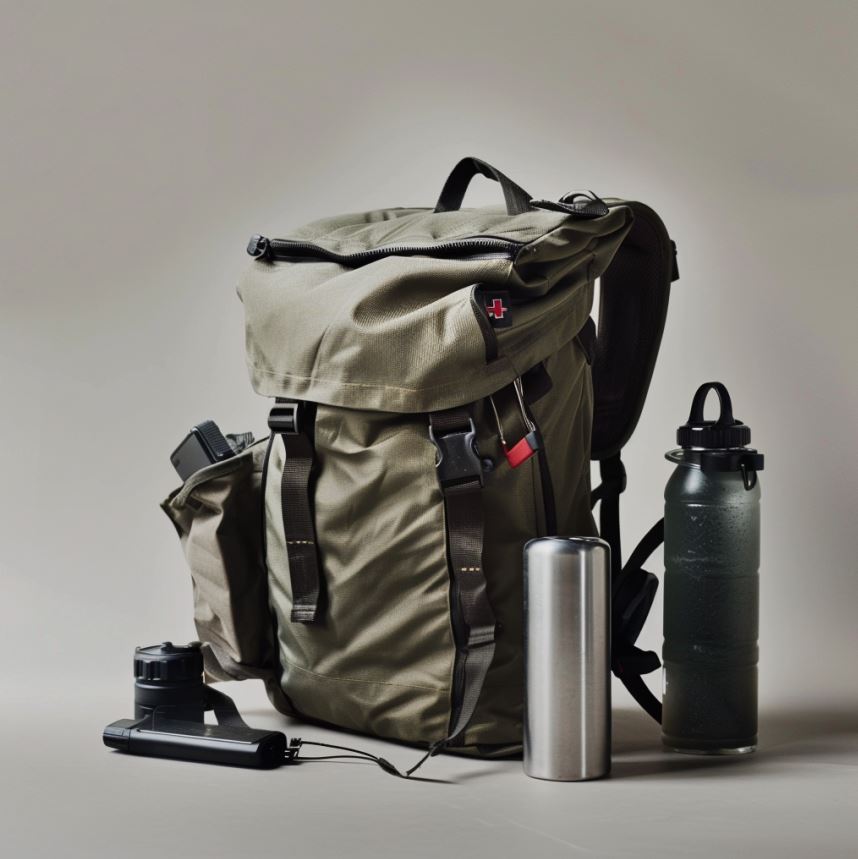
A go-bag prioritizes portability and survival essentials for at least 72 hours.
It should be:
- Lightweight
- Durable
- Easy to access
- Pre-packed before storm season
Think mobility over comfort.
What to Include in a Go-Bag
While every family’s needs vary, a strong evacuation kit includes:
Identification and critical documents
Copies of IDs, insurance policies, medical information, and emergency contacts stored in a waterproof pouch. Digital backups on encrypted cloud storage add another layer of protection.
Medications
At least a three-day supply of prescriptions and necessary medical equipment.
Water and compact food
Collapsible water pouches and calorie-dense, nonperishable snacks like energy bars.
Clothing
One change of weather-appropriate clothing and sturdy shoes.
Basic hygiene supplies
Toothbrush, wipes, small towel, and essential toiletries.
First aid kit
Compact but comprehensive—bandages, antiseptic, gloves, pain relievers.
Flashlight and batteries
Preferably LED and lightweight.
Portable phone charger
Fully charged power bank with appropriate cables.
Cash
Small bills, as ATMs and card systems may be offline.
Comfort essentials
For children, this may include a small toy. For adults, eyeglasses or contact lenses.
If you have pets, include food, vaccination records, leashes, and collapsible bowls.
Your go-bag is not meant to sustain long-term living. It is designed to stabilize you during transition—until you reach shelter, a hotel, or a relative’s home.
The Purpose of a Stay-Bag
A stay-bag is built for endurance.
When officials advise sheltering in place—common during blizzards, severe thunderstorms, or certain hurricanes—the goal shifts. Instead of mobility, you prepare for disruption: power outages, water service interruptions, blocked roads, and delayed emergency response.
Guidance from the National Weather Service often stresses remaining indoors during tornado warnings or dangerous wind events. In these scenarios, leaving may increase danger.
A stay-bag supports your household for several days without outside assistance.
Think sustainability over portability.
What to Include in a Stay-Bag
A shelter-in-place kit should support every household member for at least 72 hours—longer if possible.
Water
One gallon per person per day for drinking and sanitation.
Nonperishable food
Canned goods, protein sources, shelf-stable milk, nut butters, rice, pasta, and manual can opener.
Full first aid kit
Expanded beyond a compact evacuation version.
Battery-powered or hand-crank radio
For emergency alerts if power and internet fail.
Extra blankets or sleeping bags
Especially critical during winter storms.
Backup lighting
Lantern-style battery lights are safer than candles.
Sanitation supplies
Trash bags, moist towelettes, toilet paper, household disinfectant.
Prescription medications
Minimum one-week supply if possible.
Tools
Multi-tool, wrench (to turn off utilities if instructed), duct tape.
Fire extinguisher
Rated for home use.
Entertainment and comfort items
Books, cards, puzzles—particularly helpful for children during extended outages.
Unlike a go-bag, your stay-bag may not physically be a “bag.” It may be a designated storage bin, closet section, or organized shelving system. Accessibility matters. You should be able to gather everything quickly if conditions worsen.
The Key Differences
At first glance, the two kits share similarities. Both include food, water, medical supplies, and lighting. The distinction lies in mobility, quantity, and purpose.
A go-bag is streamlined. Every ounce matters. It supports temporary relocation.
A stay-bag is robust. It assumes you will remain where you are, potentially without utilities.
Confusing the two creates risk. Packing too much in an evacuation scenario slows departure. Packing too little when sheltering in place leaves you vulnerable if roads are impassable.
Prepared households maintain both.
Scenario-Based Planning
Storm scenarios vary widely. Consider how each situation shifts your strategy:
Hurricane with evacuation order:
Grab go-bags. Secure home. Leave early.
Tornado warning:
Move to interior safe space. Use stay-bag supplies if power is lost.
Winter blizzard advisory:
Remain home. Rely on stay-bag for heat backups and food.
Flash flood risk in low-lying area:
Be prepared to transition quickly from stay mode to go mode.
Preparedness is not static. It adapts to evolving forecasts.
Storage Strategy Matters
A go-bag buried in the attic is useless during a midnight evacuation.
Store go-bags:
- Near an exit
- In a closet by the door
- In the trunk of your car during storm season
Store stay-supplies:
- In a cool, dry, accessible location
- Clearly labeled
- Organized by category
Review contents twice per year. Replace expired food and batteries. Rotate seasonal clothing. Update documents.
Preparedness is maintenance, not a one-time purchase.
Special Considerations for Families
Households with infants, elderly members, or medical needs require customization.
Infants may require:
- Formula
- Diapers
- Wipes
- Extra clothing
Elderly family members may require:
- Mobility aids
- Hearing aid batteries
- Medical documentation
If someone relies on powered medical equipment, consult utility providers about priority restoration programs and consider backup battery systems.
Preparation is personal.
The Psychological Advantage
There is a powerful psychological shift that occurs when supplies are ready.
Uncertainty decreases.
Decision-making improves.
Stress lowers.
When alerts sound, prepared families act instead of react.
You are not scrambling through drawers.
You are not arguing about what to pack.
You are not risking delayed evacuation.
You are executing a plan.
And that calm is invaluable.
Avoiding Common Mistakes
Many households make avoidable errors:
- Waiting until a storm is named before assembling supplies.
- Overpacking evacuation bags.
- Forgetting to include documents.
- Neglecting pet needs.
- Failing to test flashlights or rotate batteries.
Preparation works best in the calm—not in the countdown.
The Bottom Line: Two Bags, One Goal
Storms are unpredictable. Some require escape. Others require endurance.
A go-bag gets you out safely.
A stay-bag keeps you safe inside.
Both serve the same purpose: protecting life, reducing chaos, and preserving stability in unstable moments.
In the quiet before the storm, you have a choice.
Wait—and hope.
Or prepare—and act with confidence.
Because when the winds rise and the lights flicker, what you’ve packed speaks louder than what you intended to do.
Preparedness isn’t fear. It’s foresight.
And foresight turns panic into power.
References
Federal Emergency Management Agency (FEMA). Ready.gov Emergency Supply Kit Guidelines.
National Weather Service (NWS). Severe Weather Preparedness Resources.
American Red Cross. Disaster Preparedness and Emergency Kit Recommendations.
Knight, M.K., The Calm Before the Storm: Your Step-by-Step Emergency Readiness Handbook, Tin Roof Publications, 2024.