When hurricane warnings begin spreading across weather forecasts, preparation becomes about far more than protecting homes and stocking supplies. For families, storm planning often involves caring for the people who may struggle most during emergencies—children, elderly relatives, pets, and loved ones with medical or special needs.
Every household faces unique challenges during hurricane season. A healthy adult may be able to adapt quickly during power outages, evacuations, or stressful situations. Young children, seniors, and individuals with disabilities or medical conditions often require additional planning, extra supplies, and more careful attention long before the storm arrives.
That is why family-focused hurricane preparedness matters so much.
The most effective hurricane plans are not built around the average person. They are built around the most vulnerable members of the household. Preparing with those needs in mind helps reduce confusion, improve safety, and create a calmer environment during an already stressful experience.
Hurricanes are unpredictable, but thoughtful preparation can make difficult situations far more manageable for the entire family.
Evacuation Planning Should Begin Early
One of the biggest mistakes families make is waiting too long to discuss evacuation plans.
When evacuation orders are issued, roads become crowded quickly. Gas stations run low on fuel, hotels fill up, and stress levels rise dramatically. Families with children, elderly relatives, or special medical needs often need additional time to travel safely and comfortably.
A strong evacuation plan should include multiple destination options. Staying with relatives, reserving pet-friendly hotels, or identifying public shelters ahead of time can help families avoid rushed decisions during emergencies.
It is also important to map out evacuation routes before the storm approaches. GPS systems and mobile apps may not work reliably during severe weather or power outages. Printed maps can provide useful backup if communication systems fail.
Families should also discuss how they will communicate if separated during the storm. Designating an out-of-state emergency contact gives everyone a central person to check in with if local phone networks become overloaded.
Preparation becomes much easier when important decisions are made calmly rather than during a last-minute scramble.
Preparing Children Emotionally Matters Too
Adults often focus heavily on supplies, forecasts, and storm tracks. Children, however, experience hurricanes differently.
Kids notice fear and tension quickly. Constant television coverage, changing routines, loud winds, and worried conversations can make storms feel frightening and overwhelming.
That emotional side of hurricane preparation is just as important as physical safety.
Children usually cope better when they understand what is happening in simple, reassuring terms. Calm conversations about storms can help reduce fear while still emphasizing safety. Avoid exposing younger children to nonstop alarming news coverage, which can increase anxiety significantly.
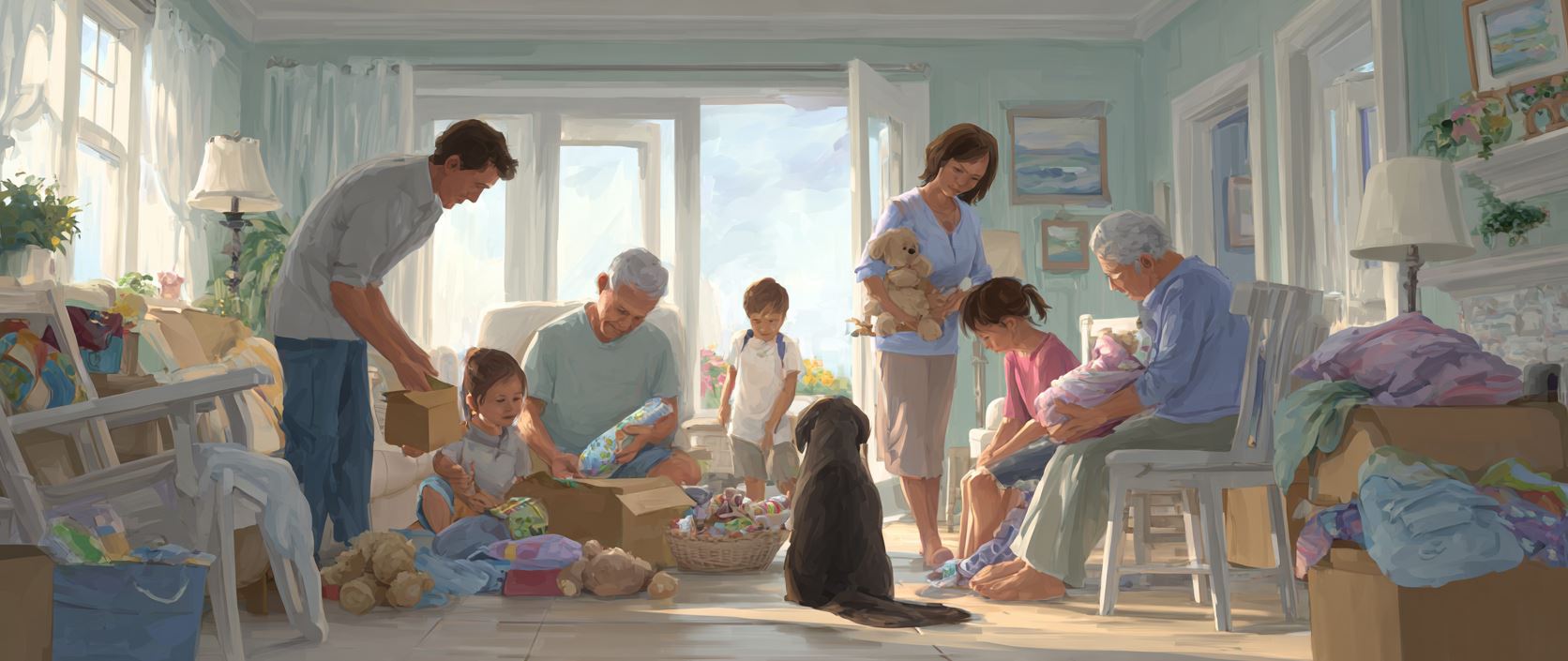
Maintaining familiar routines whenever possible also helps children feel more secure. During evacuations or power outages, familiar snacks, bedtime habits, favorite books, stuffed animals, and games can provide important emotional comfort.
Parents should prepare entertainment and comfort supplies ahead of time. Long outages without internet, television, or air conditioning can feel especially difficult for children accustomed to constant stimulation.
Coloring books, puzzles, card games, downloaded movies, comfort blankets, and favorite toys can help ease boredom and stress during extended periods indoors.
Even small efforts to create normalcy can make a major difference for children during uncertain situations.
Seniors Often Face Unique Risks During Hurricanes
Older adults can face serious challenges before, during, and after hurricanes, especially if mobility, medical conditions, or transportation limitations are involved.
Power outages can become particularly dangerous for seniors who rely on refrigerated medications, oxygen equipment, mobility devices, or climate-controlled environments.
Families caring for elderly relatives should prepare early and carefully.
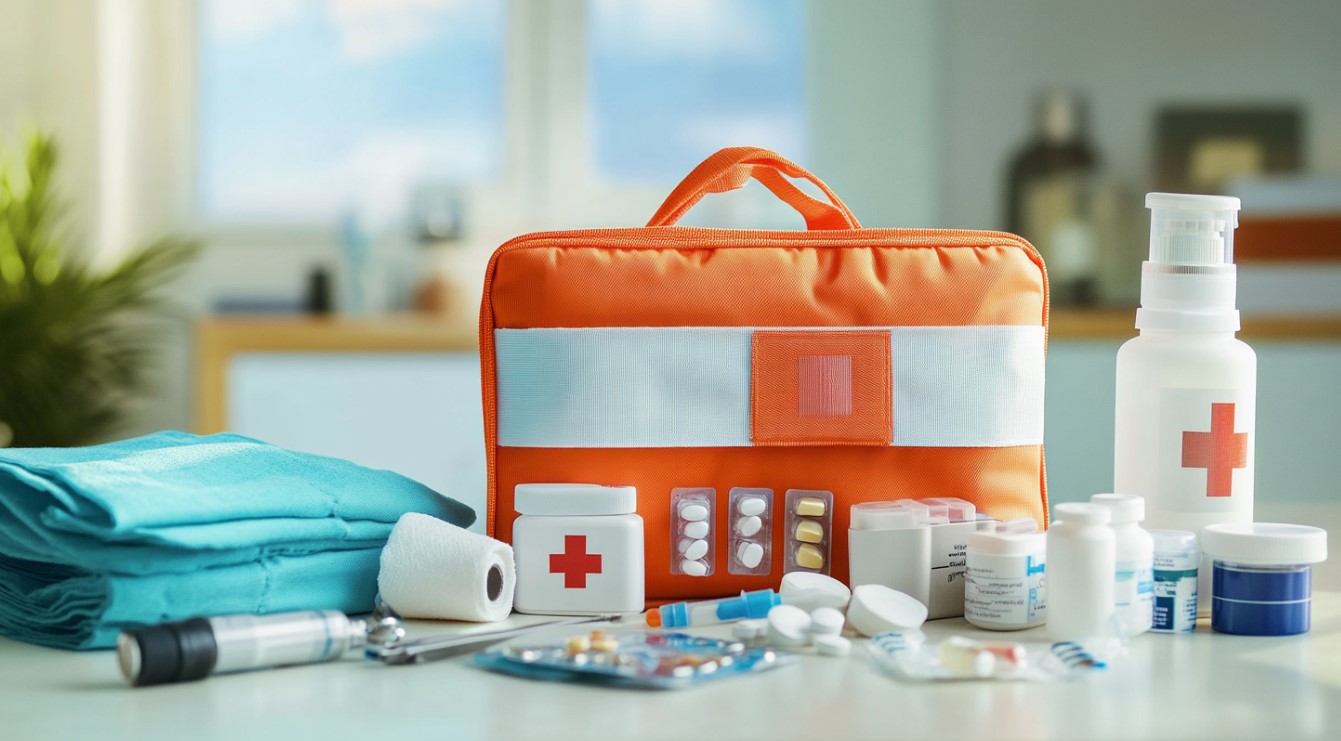
Medication supplies should be reviewed well before storm season intensifies. Try to maintain extra prescriptions whenever possible, along with copies of medical records, physician contact information, insurance cards, and emergency contacts.
Transportation planning is equally important. Seniors may require additional assistance evacuating safely, especially during heavy traffic or severe weather conditions. Waiting until the final hours before landfall can create unnecessary risks and stress.
Check whether local emergency management agencies offer special needs evacuation assistance or transportation programs for residents who may need extra support.
Isolation is another overlooked issue during hurricanes. Elderly individuals living alone may struggle to prepare homes, secure supplies, or stay informed during emergencies. Simple check-ins before storms can help identify needs before conditions worsen.
Sometimes a phone call, grocery delivery, or helping secure outdoor items can make an enormous difference for an older neighbor or relative.
Medical Equipment Requires Backup Planning
Families caring for loved ones with disabilities or medical needs often face additional preparation challenges during hurricane season.
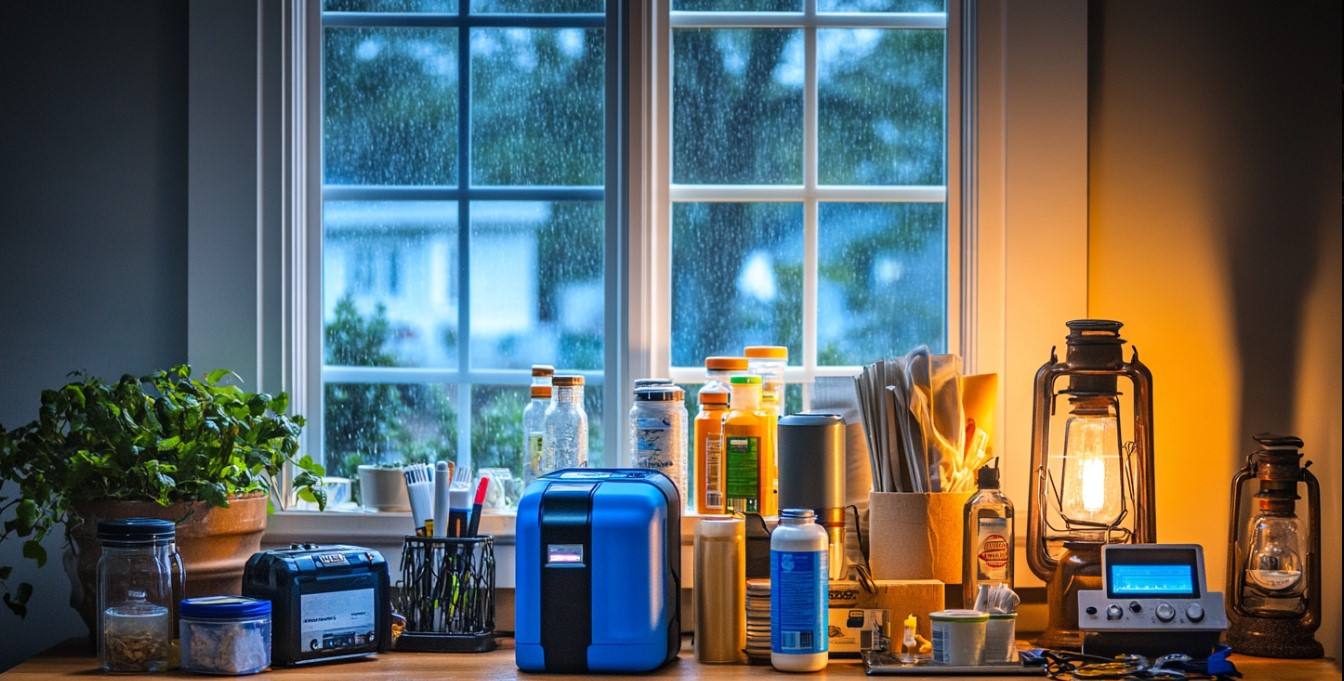
Medical equipment that depends on electricity can quickly become a major concern during prolonged outages. Oxygen concentrators, powered wheelchairs, feeding pumps, CPAP machines, refrigerated medications, and communication devices may all require backup power solutions.
Portable battery systems, generators, and backup charging plans should be tested before storms arrive.
Families should also prepare written lists of medications, medical conditions, allergies, physicians, pharmacies, and emergency contacts. In stressful situations, having information organized and accessible can save valuable time.
If someone in the household has sensory sensitivities, developmental disabilities, or autism spectrum disorders, storm preparation may require additional planning for environmental changes and emotional stress.
Loud winds, crowded shelters, sudden evacuations, and disrupted routines can feel overwhelming. Familiar comfort items, headphones, sensory tools, calming activities, and structured routines may help reduce anxiety during emergencies.
Preparing for these needs ahead of time helps families respond more calmly when conditions become difficult.
Pets Need Their Own Emergency Plans
Pets are family members too, yet they are often forgotten during hurricane preparation until the last moment.
Every hurricane season, animal shelters report cases of owners struggling to find pet-friendly accommodations, emergency supplies, or transportation for their animals during evacuations.
Preparing a pet emergency kit should be part of every family hurricane plan.
Pets need food, water, medications, carriers, leashes, litter supplies, waste bags, bowls, bedding, and vaccination records. Identification tags and microchip information should also be updated before hurricane season begins.
Animals can become highly anxious during storms. Loud thunder, strong winds, flashing lights, and unfamiliar environments often increase stress for pets.
Familiar blankets, toys, and treats can help provide comfort during evacuations or extended sheltering.
Families should also research pet-friendly hotels and shelters long before storms threaten their area. Many emergency shelters have restrictions regarding animals, and waiting too long can severely limit available options.
Never leave pets behind during evacuations. Floodwaters, extreme heat, and structural damage create serious dangers for animals after storms.
Emergency Kits Should Be Customized for Your Family
No two families have exactly the same hurricane preparedness needs.
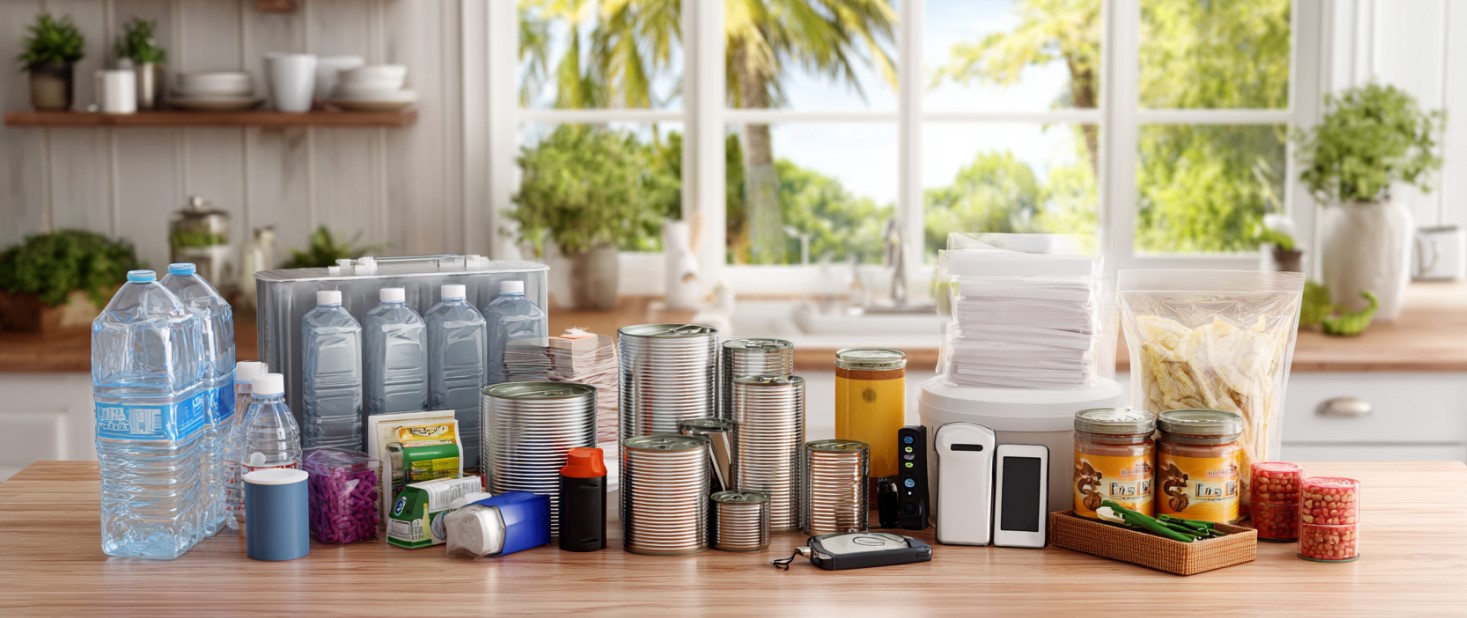
A household with toddlers requires different supplies than a home caring for elderly parents or medically vulnerable relatives. That is why emergency kits should be personalized instead of relying solely on generic checklists.
Families should think carefully about daily routines and what would happen if electricity, transportation, or communication systems were unavailable for several days.
Important items might include:
- Prescription medications and medical supplies
- Backup batteries and chargers
- Comfort items for children
- Pet food and veterinary records
- Hygiene products and diapers
- Special dietary foods
- Mobility equipment
- Printed emergency contacts
- Extra clothing and blankets
The goal is not perfection. The goal is reducing stress and improving safety during uncertain conditions.
Prepared families are often able to make calmer decisions because they already considered potential problems ahead of time.
Communication Can Ease Fear During Emergencies
One of the hardest parts of a hurricane is uncertainty.
Children wonder what is happening. Seniors worry about safety and isolation. Family members separated during evacuations may struggle to stay connected.
Good communication helps reduce panic.
Families should discuss emergency plans before storms arrive so everyone understands what to expect. Explain where supplies are located, how evacuation decisions will be made, and how communication will continue if phones or internet service fail.
Printed contact lists remain important because many people rely entirely on smartphones and may not remember phone numbers during emergencies.
Battery-powered weather radios can also provide critical updates when power and internet service become unreliable.
Clear communication creates reassurance, especially for vulnerable family members who may already feel anxious or overwhelmed.
Preparation Creates Stability During Uncertainty
Hurricanes disrupt routines, damage communities, and create stressful situations that can last long after the storm passes. For families caring for children, seniors, pets, or individuals with medical needs, those challenges become even greater.
Yet thoughtful preparation creates something incredibly important during emergencies: stability.
It allows parents to comfort frightened children more easily. It helps seniors remain safer during outages. It gives pets a sense of familiarity in chaotic situations. And it helps medically vulnerable family members maintain critical care during difficult conditions.
Preparation is not about fear. It is about protecting the people who depend on us most.
Families who plan ahead are not eliminating every risk hurricanes bring. They are simply giving themselves a better chance to face those risks calmly, safely, and together.
And sometimes, during the uncertainty of hurricane season, that sense of readiness can make all the difference.
References:
Federal Emergency Management Agency (FEMA). Preparing Your Family for Hurricanes. Retrieved May 21, 2026, from
Ready.gov Hurricane Preparedness Resources
Centers for Disease Control and Prevention (CDC). Preparing for Hurricanes and Other Tropical Storms. Retrieved May 21, 2026, from
CDC Hurricane Safety Information
American Red Cross. Hurricane Preparedness for Families and Pets. Retrieved May 21, 2026, from
American Red Cross Hurricane Safety Guide
Administration for Community Living. Emergency Preparedness for Older Adults and People with Disabilities. Retrieved May 21, 2026, from
Administration for Community Living Emergency Preparedness Resources
American Veterinary Medical Association (AVMA). Pet Disaster Preparedness. Retrieved May 21, 2026, from
AVMA Pet Disaster Preparedness Guide
CalmBeforeTheStorm.net