When hurricane warnings begin flashing across television screens, most families immediately think about the basics. They rush to buy bottled water, batteries, canned food, and flashlights. Grocery store shelves empty within hours, gas station lines stretch into the streets, and people scramble to grab whatever supplies remain.
Those essentials matter, but experienced storm survivors know the biggest problems often come from the items nobody thinks about until it is too late.
A hurricane does not simply bring strong winds and rain. It disrupts everyday life in ways that many people underestimate. Power outages can last for days. Credit card machines may stop working. Pharmacies can close unexpectedly. Cell service may become unreliable. Roads flood, stores shut down, and simple daily routines suddenly become difficult.
In those moments, it is often the overlooked supplies—not the obvious ones—that make the greatest difference.
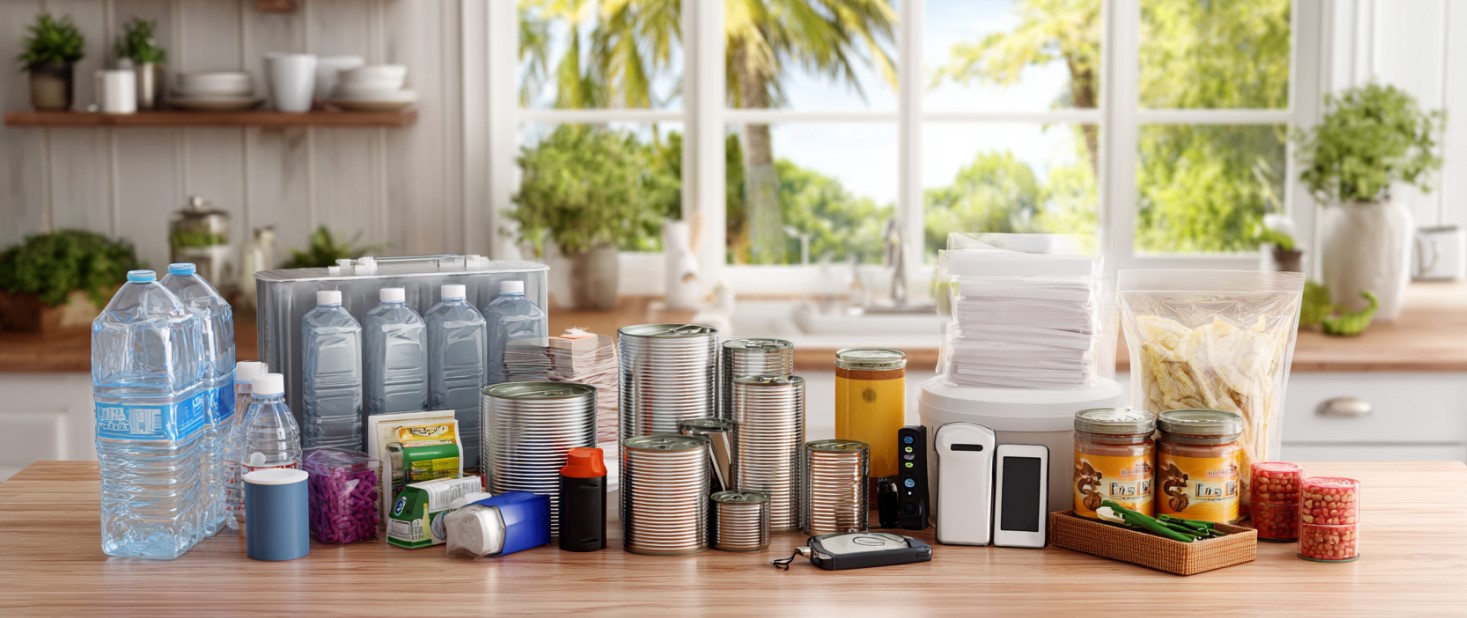
People remember canned soup but forget the manual can opener needed to open it. They buy flashlights but forget backup charging cables. They stockpile snacks but overlook prescription medications, pet supplies, and important paperwork.
A truly effective hurricane supply kit goes beyond survival. It helps families stay safe, comfortable, connected, and emotionally steady during stressful situations. Here are some of the most commonly forgotten hurricane essentials that deserve a place in every emergency kit.
Cash Can Become More Valuable Than Credit Cards
Modern life depends heavily on electronic payments. Most people rarely carry cash anymore because debit cards, credit cards, and phone apps handle almost every purchase.
During a hurricane, that convenience can disappear quickly.
Extended power outages often shut down ATMs, gas pumps, internet connections, and store payment systems. Businesses that remain open may only accept cash for several days. After major storms, some residents discover they have plenty of money in the bank but no practical way to access it.
Keeping emergency cash hidden safely inside your hurricane kit can prevent major headaches later. Smaller bills are especially useful because businesses may struggle to make change during emergencies.
Cash can help you purchase fuel, ice, food, or emergency supplies when electronic systems fail. Even a relatively small amount can provide enormous peace of mind during uncertain conditions.
Store the money inside waterproof bags or sealed containers to protect it from storm damage or flooding.
Prescription Medications Are Easy to Overlook Until You Need Them
One of the most dangerous hurricane mistakes people make is waiting too long to refill important prescriptions.
As storms approach, pharmacies often become crowded, understaffed, or temporarily closed. After landfall, flooding, power outages, and road damage can make pharmacies inaccessible for days.
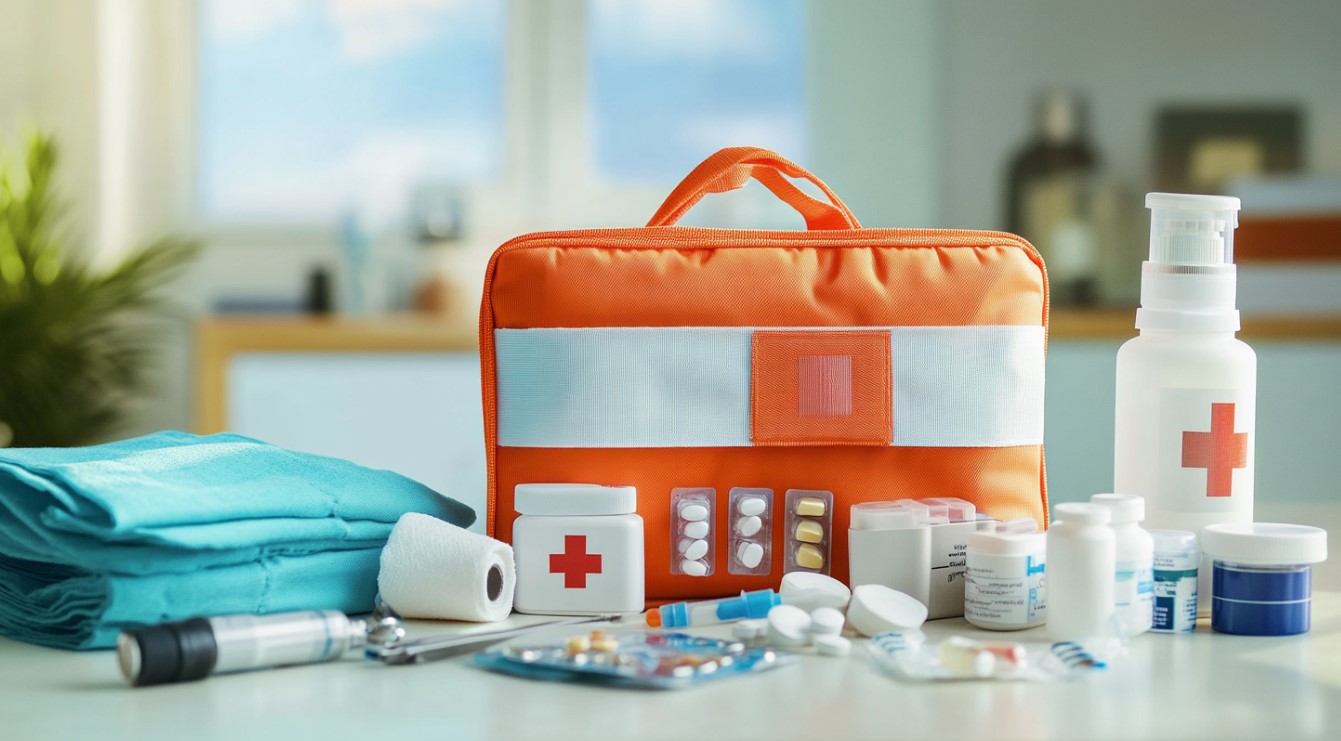
Families should try to maintain extra medication supplies throughout hurricane season whenever possible. Prescription medications, inhalers, insulin supplies, glucose testing equipment, hearing aid batteries, and medical devices become even more important during emergencies.
People who depend on refrigerated medications should also prepare backup cooling solutions. Ice packs, insulated coolers, and portable power options can help protect temperature-sensitive medications during outages.
Medical paperwork matters too. Copies of prescriptions, insurance information, physician contacts, and medical records should be sealed in waterproof containers so they remain accessible during evacuation or recovery.
Many people do not realize how vulnerable they are until they cannot access medications after the storm has already arrived.
Backup Chargers and Portable Power Sources Matter More Than Ever
Most people remember to charge their phones before a hurricane. Fewer people prepare for what happens when the power stays out for four or five days afterward.
Communication becomes critical during emergencies. Phones provide weather alerts, emergency updates, maps, insurance documentation, and contact with loved ones. Once batteries die, people often feel cut off from the outside world.
Portable power banks are among the most useful hurricane supplies you can own. Fully charge them before storms arrive and test them periodically throughout the year to ensure they still function properly.
Solar-powered chargers can provide additional backup during extended outages, especially in sunny coastal areas. Car chargers are equally important because many families end up using vehicles as temporary charging stations once home electricity disappears.
Extra charging cables should also be included in emergency kits. During stressful situations, damaged or missing cords quickly become frustrating problems.
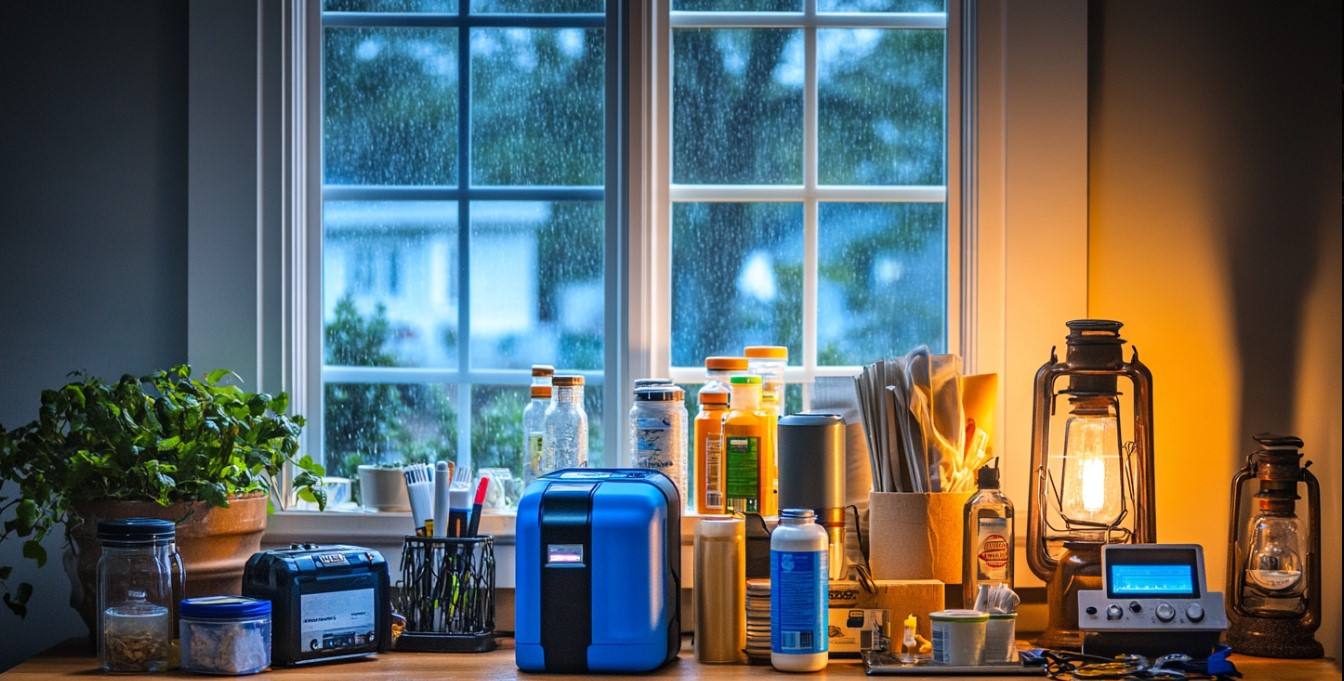
Battery-powered fans, rechargeable lanterns, and weather radios can dramatically improve comfort and safety during long periods without electricity, especially in the intense heat and humidity that often follow hurricanes in the Southeast.
Important Documents Need Protection Too
After hurricanes, people often focus on damaged roofs, flooded homes, and fallen trees. Yet losing important paperwork can create long-term complications that continue for months.
Every hurricane kit should include protected copies of essential documents. Identification cards, passports, birth certificates, insurance policies, banking information, medical records, and property documents should all be stored inside waterproof containers or resealable plastic bags.
Digital backups add another layer of protection. Uploading copies of documents to secure cloud storage or encrypted flash drives can help ensure access even if physical copies are destroyed.
Homeowners should also take photos or videos of their property before hurricane season intensifies. Recording furniture, appliances, electronics, and valuables can become extremely valuable during insurance claims after the storm.
When evacuation orders are issued, organized paperwork can reduce panic and save precious time.
Hygiene Supplies Become Critical During Long Outages
When people imagine hurricane preparation, they usually picture food and water first. Few think about how uncomfortable daily life becomes when sanitation is disrupted for days.
Without electricity or running water, simple hygiene routines suddenly become difficult. That is why emergency kits should include toiletries, soap, toothpaste, feminine hygiene products, diapers, toilet paper, paper towels, and disinfecting wipes.
Baby wipes become especially useful when showers are unavailable. Hand sanitizer also helps reduce illness risks when clean water is limited.
Trash bags, disposable gloves, and cleaning supplies are equally important during cleanup efforts after the storm passes. Floodwater and storm debris can contain bacteria, chemicals, and dangerous contaminants.
These items rarely seem urgent while shopping in calm weather, but after several hot, humid days without power, they become some of the most appreciated supplies in the house.
Pets Need Emergency Plans Too
Every hurricane season, countless pet owners realize too late that they prepared for themselves but forgot to prepare for their animals.
Pets need their own emergency supplies just like people do. Food, water, medications, carriers, leashes, waste bags, litter, and bowls should all be included in hurricane preparations.
Vaccination records are particularly important because many shelters, hotels, and boarding facilities require proof before accepting pets during evacuations.
Animals can become highly anxious during severe weather. Loud winds, unfamiliar environments, and disrupted routines often create stress for both pets and owners. Familiar blankets, toys, and treats can help calm animals during frightening situations.
Pet food often disappears quickly from store shelves before major storms, making early preparation especially important.
Children Need Comfort as Much as Safety
For children, hurricanes can feel confusing and frightening. Adults focus on forecasts, supplies, and preparation tasks while kids notice the tension, constant news coverage, and sudden changes to their routines.
That emotional stress matters.
Simple comfort items can help children feel safer during long outages or evacuations. Favorite stuffed animals, books, blankets, coloring supplies, games, and downloaded movies can provide reassurance and distraction during stressful moments.
Parents should also remember practical child-related supplies such as formula, baby food, medications, diapers, wipes, and extra clothing.
Long power outages can become emotionally exhausting for children, especially when internet access and electronic entertainment disappear. Preparing activities ahead of time helps maintain calm and reduces boredom for the entire family.
Sometimes the smallest comforts create the biggest sense of normalcy during difficult situations.
The Smallest Items Often Cause the Biggest Problems
One of the most common post-storm frustrations involves canned food with no way to open it.
Electric can openers become useless during outages, and many people do not realize they lack a manual backup until mealtime arrives in a dark kitchen.
The same issue applies to dozens of everyday items people rarely think about. Matches, waterproof lighters, duct tape, basic tools, batteries, flashlights, weather radios, and extra fuel containers can suddenly feel incredibly important after a storm.
Preparation is often less about dramatic survival scenarios and more about avoiding preventable inconveniences that become major problems during emergencies.
A missing charger, dead batteries, or forgotten medications may seem small today. During a hurricane recovery, those oversights can create unnecessary stress when families are already exhausted and overwhelmed.
Preparation Brings Peace of Mind
The best hurricane kits are built thoughtfully over time, not rushed together hours before landfall.
Families who prepare carefully tend to experience less panic when storms approach. Instead of fighting crowded stores and empty shelves, they can focus on staying informed, protecting loved ones, and making calm decisions.
Hurricane preparation is not about expecting the worst. It is about reducing uncertainty during situations that are already stressful enough.
The overlooked items often become the supplies people appreciate most after the storm arrives. Cash, medications, pet supplies, chargers, important paperwork, and comfort items may not seem exciting while preparing, but they can dramatically improve safety and quality of life during an emergency.
When the winds begin to rise and the lights go out, preparation becomes more than a checklist.
It becomes peace of mind.
References:
Federal Emergency Management Agency (FEMA). Build A Kit. Retrieved May 21, 2026, from
Ready.gov Emergency Supply Kit Guide
Centers for Disease Control and Prevention (CDC). Preparing for a Hurricane or Other Tropical Storm. Retrieved May 21, 2026, from
CDC Hurricane Preparedness Information
American Red Cross. Hurricane Safety Checklist. Retrieved May 21, 2026, from
American Red Cross Hurricane Preparedness Resources
National Hurricane Center. Hurricane Preparedness Guide. National Oceanic and Atmospheric Administration (NOAA). Retrieved May 21, 2026, from
National Hurricane Center Preparedness Resources
Federal Communications Commission (FCC). Emergency Communication Tips During Disasters. Retrieved May 21, 2026, from
FCC Emergency Communication Preparedness Guide
Knight, M.K., The Calm Before the Storm: Your Step-by-Step Emergency Readiness Handbook. Fort Lauderdale, Tin Roof Publications, 2025
CalmBeforeTheStorm.net