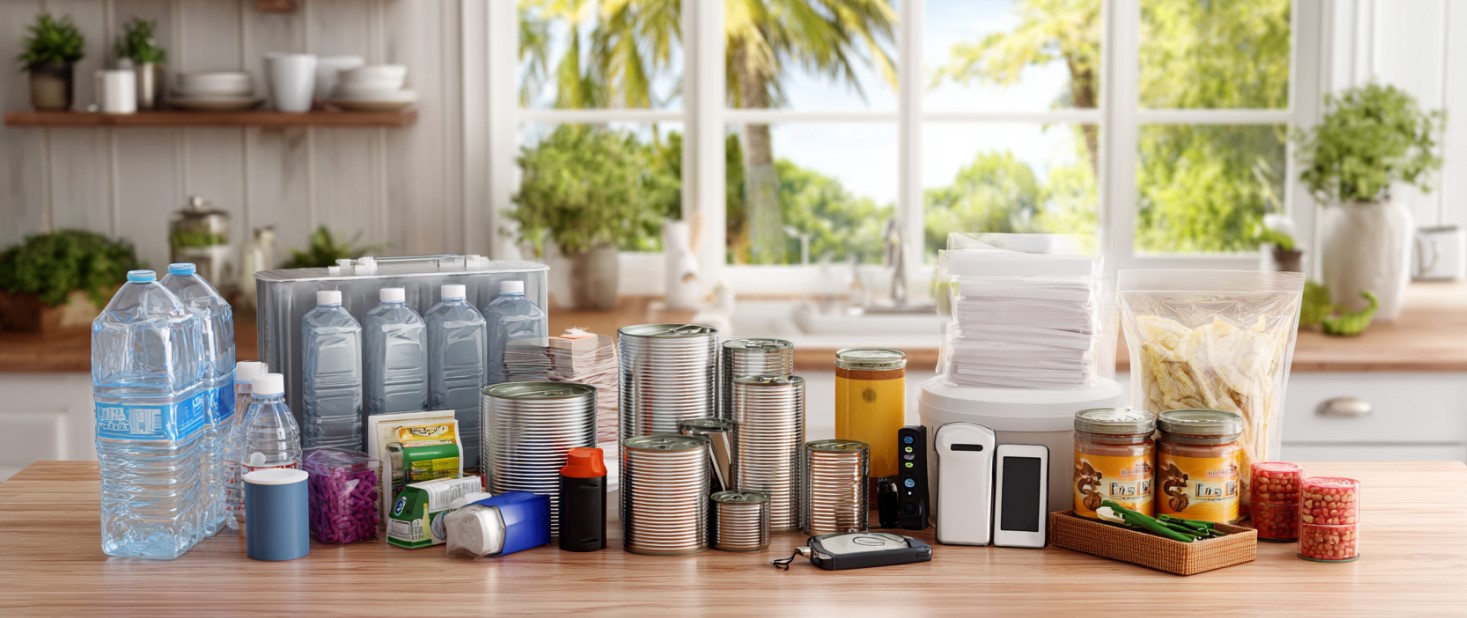

When hurricane season begins, many people promise themselves they will prepare early. Yet every year, long gas station lines, empty grocery shelves, and frantic last-minute shopping tell a different story. Hurricanes have a way of making time feel compressed. What seemed like a distant storm on Monday can suddenly become a direct threat by Thursday.
Preparation is not only about survival. It is about reducing stress, protecting your family, and giving yourself the best possible chance to recover quickly after the storm passes. A thoughtful plan also helps prevent costly mistakes that often happen when people wait too long to act.
The good news is that hurricane preparedness becomes much more manageable when broken into a timeline. Instead of trying to do everything at once, you can focus on the right tasks at the right time. By preparing in stages, you stay calmer, make better decisions, and avoid competing with crowds during the final rush.
Here is a practical hurricane preparation timeline that can help you feel ready long before the first rain bands arrive.
Seven Days Before Potential Landfall: Prepare Without Panic
A week before a possible hurricane impact, forecasts are still uncertain. Storm tracks can shift hundreds of miles, and intensity can change quickly. This is the ideal time to prepare carefully without panic buying or rushing into unnecessary decisions.
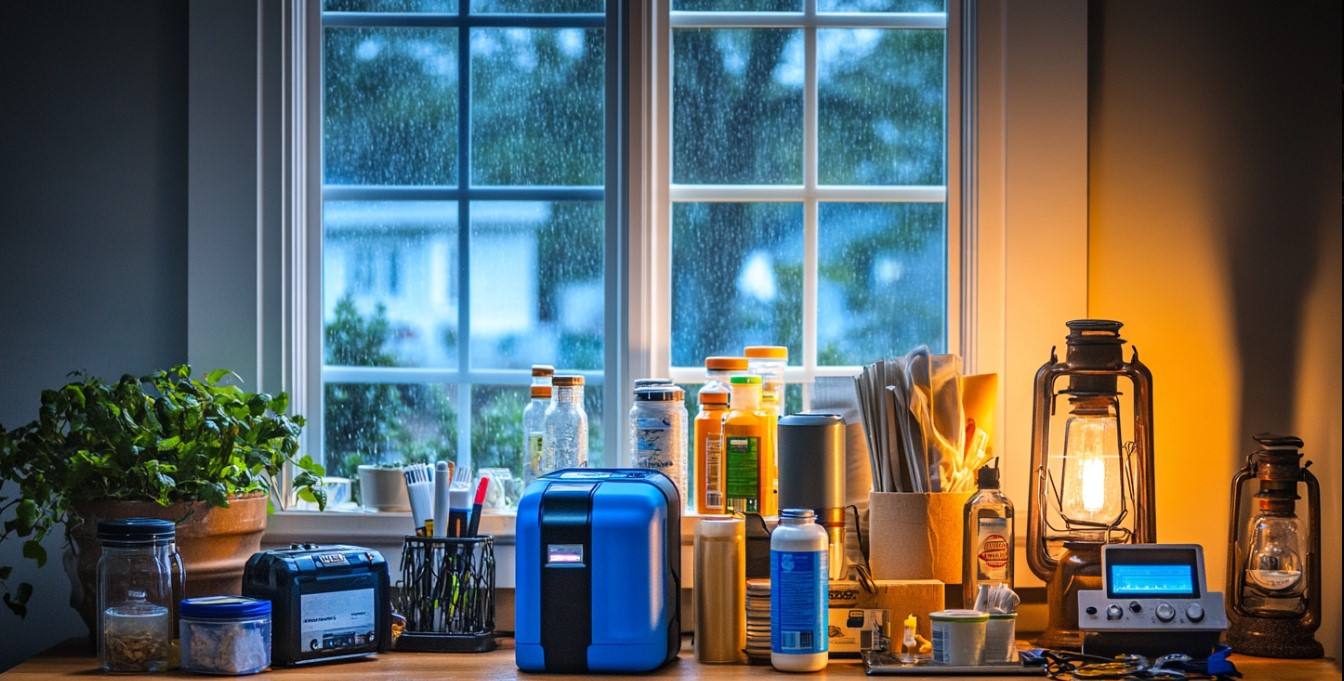
Start by reviewing your hurricane supplies. Many people already have emergency items stored away but discover too late that batteries are dead, medications expired, or flashlights missing. Check your supplies now while stores are still stocked and calm.
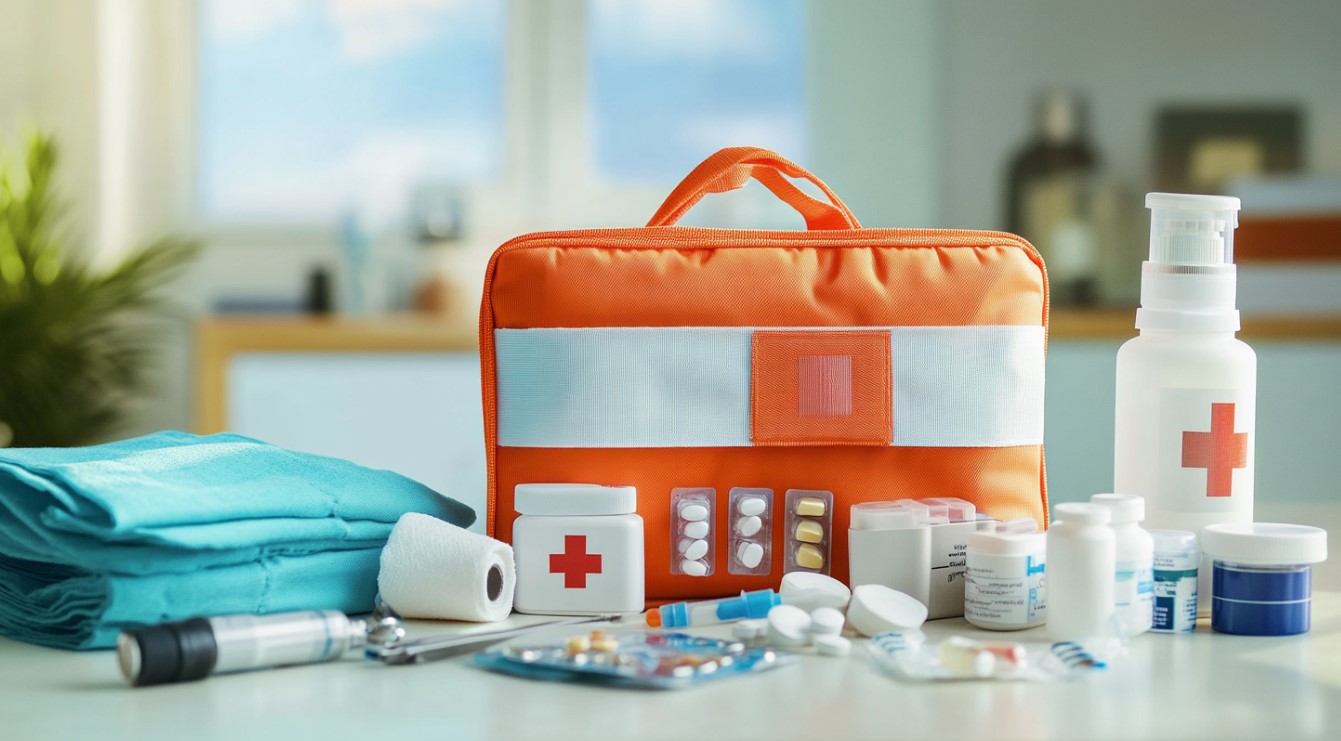
Make sure you have enough essentials to last at least several days without electricity or running water. Focus on practical necessities that your household actually uses. Water, nonperishable food, medications, pet supplies, hygiene products, and phone chargers should be at the top of the list.
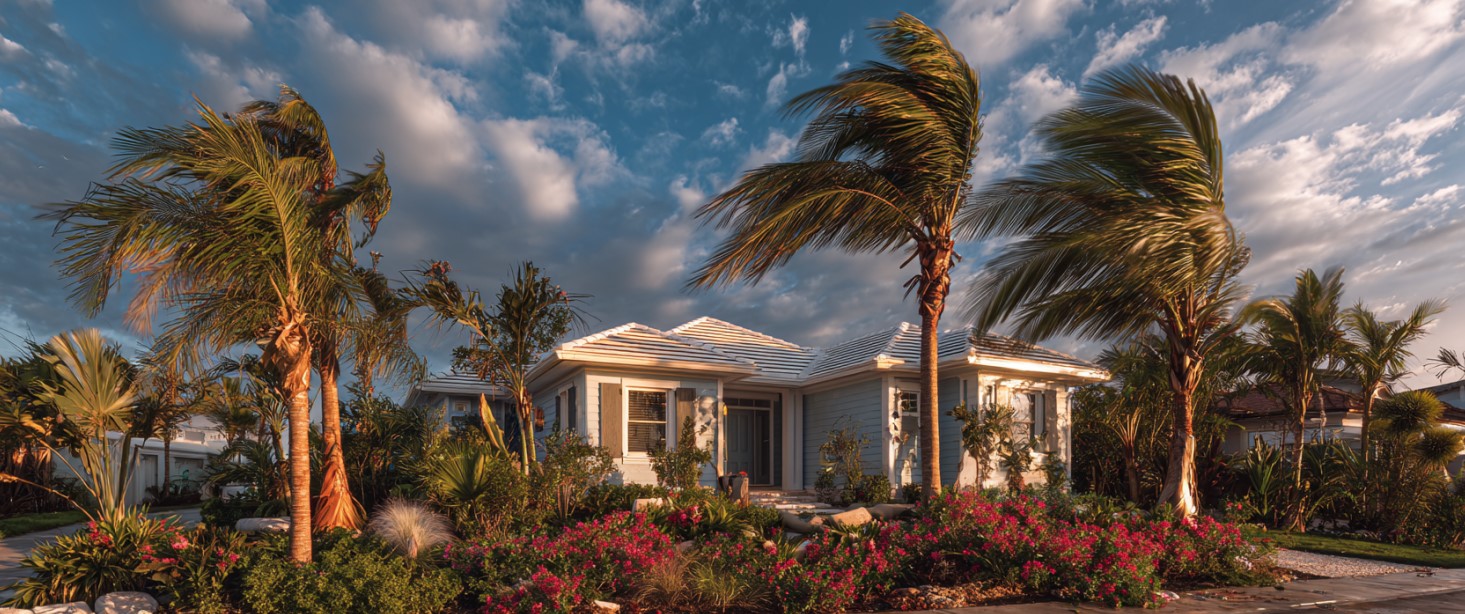
This is also the time to inspect your home. Walk around your property and look for anything that could become dangerous in high winds. Patio furniture, potted plants, loose decorations, and broken tree branches can quickly turn into damaging projectiles during a hurricane.
If you own shutters, test them before the weather worsens. Homeowners often discover missing hardware or damaged panels at the worst possible moment. If you use plywood, confirm that your materials are ready and properly labeled for each window.
Your insurance review should happen now, not after warnings are issued. Take a few minutes to verify your homeowners or renters insurance coverage, especially for flood damage. Many people are shocked to learn that standard policies usually do not cover flooding. If you have flood insurance, store copies of your policy and important contact information somewhere easy to access.
It is also smart to document your belongings. Walk through your home with your phone and record videos of each room, including furniture, electronics, appliances, and valuables. These videos can become incredibly important if you need to file an insurance claim later.
Families should also discuss communication plans. Hurricanes can separate family members unexpectedly, especially if evacuation becomes necessary. Decide where you would go, how you would contact one another, and which out-of-town person everyone can check in with after the storm.
Finally, pay close attention to forecasts from trusted sources. Avoid social media rumors and focus on updates from meteorologists, emergency management officials, and the National Hurricane Center.
Three Days Before Potential Landfall: Shift Into Action Mode
At around 72 hours before possible landfall, the forecast usually becomes more reliable. This is when preparation should move from planning into active readiness.
Stores often become crowded during this stage. Gas stations may begin running low on fuel, and basic supplies disappear quickly. If you still need groceries, prescriptions, cash, or fuel, handle those tasks immediately.
Charge every device you own, including backup battery packs, laptops, rechargeable flashlights, and portable fans. Power outages can last far longer than many people expect, especially after stronger hurricanes. Having fully charged devices gives you access to weather updates, emergency alerts, and communication with loved ones.
Your refrigerator and freezer should also be prepared. Lower the temperature settings to keep food colder longer if electricity fails. Freeze containers of water to help preserve freezer temperatures and provide extra drinking water later.
If you live in an evacuation zone, pay close attention to local orders. Waiting too long to leave can place you in dangerous traffic conditions or leave you trapped when weather deteriorates. Evacuating early is almost always safer and less stressful than evacuating late.
Home preparation becomes more urgent during this period. Bring outdoor furniture, garbage cans, grills, and decorations indoors. Clear gutters and drains so heavy rainfall can flow more freely. If you own a generator, test it safely outside and make sure you have enough fuel stored according to local safety guidelines.
People with pets should finalize their plans now. Not all shelters or hotels accept animals, and many pet-friendly locations fill quickly before storms. Pack food, medications, leashes, vaccination records, and comfort items your pets may need during evacuation or extended sheltering.
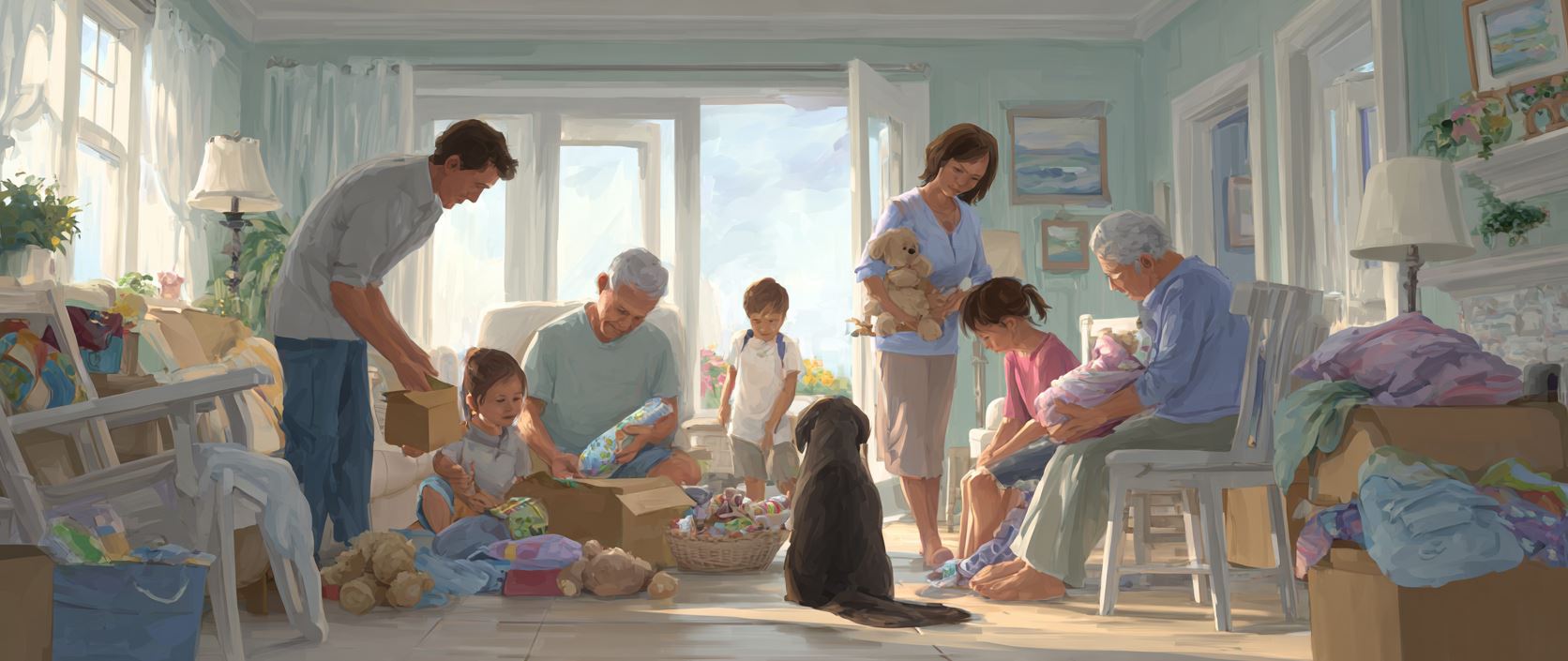
This is also the time to prepare emotionally, especially for children. Storm preparation can feel frightening and overwhelming to kids. Calm explanations and involving them in simple tasks can help reduce anxiety. Let them pack comfort items, books, or games to help pass time during power outages.
One often-overlooked step is preparing for boredom and emotional stress. Extended outages can feel exhausting after several days without internet, air conditioning, or normal routines. Download movies, books, podcasts, and offline games while internet service is still reliable.
Twenty-Four Hours Before Landfall: Focus on Safety
When a hurricane is less than a day away, conditions can change rapidly. Weather may already begin deteriorating with heavy rain, tropical storm-force winds, and dangerous surf. At this stage, your focus should shift almost entirely to safety.
Complete any remaining home protection tasks as early as possible. Install shutters, secure doors, and move vehicles into safer locations before winds become dangerous. Never wait until conditions worsen to finish outdoor preparations.
Keep your phones fully charged and limit unnecessary driving. Roads may become congested, and emergency responders may already be preparing for severe conditions. If evacuation orders are in place, leave immediately. Delaying can put both your family and first responders at risk.
Inside your home, create a safe area away from windows where your family can shelter if conditions become severe. Gather flashlights, medications, snacks, important documents, and weather radios in one accessible location.
Fill bathtubs or large containers with water for cleaning and flushing toilets if water service is interrupted. Set refrigerators and freezers to the coldest settings and avoid opening them unnecessarily once power goes out.
During this final stage, stress and anxiety often peak. Continuous news coverage and alarming social media posts can make fear spiral quickly. Stay informed, but avoid becoming consumed by constant updates. Focus on practical actions rather than worst-case scenarios.
If you have elderly relatives, neighbors, or friends who live alone, check on them before conditions worsen. A simple phone call or quick visit may help someone who is struggling to prepare on their own.
During the Storm: Stay Put and Stay Alert
Once dangerous conditions begin, stay indoors and avoid unnecessary movement. One of the biggest mistakes people make is going outside during calmer periods, especially if the eye of the hurricane passes overhead. Winds can return suddenly and violently from the opposite direction.
Use flashlights instead of candles whenever possible to reduce fire risk. Keep phones charged by using battery packs sparingly, and conserve fuel if using generators. Generators should never be used indoors, in garages, or near windows because of carbon monoxide dangers.
Listen carefully for emergency alerts and updates from local officials. Flooding often becomes more dangerous after landfall as rainfall continues inland.
Preparation Creates Peace of Mind
No preparation plan can remove all the risks associated with hurricanes. Storms are unpredictable, powerful, and emotionally draining experiences. Yet preparation changes how people experience them.
Families who prepare early often feel calmer, safer, and more capable during emergencies. They spend less time fighting crowds, searching for supplies, or making rushed decisions under pressure. Instead, they can focus on protecting loved ones and riding out the storm as safely as possible.
Hurricane preparation is not about fear. It is about confidence. Every gallon of water stored, every document protected, and every conversation about evacuation plans helps create a sense of control during uncertain moments.
The goal is simple: when the storm approaches, you want to feel ready instead of overwhelmed.
That calm preparation before the storm can make all the difference afterward.
References
Federal Emergency Management Agency (FEMA). Make a Plan. Retrieved May 21, 2026, from
Ready.gov Emergency Planning Resources
Federal Emergency Management Agency (FEMA). Build A Kit. Retrieved May 21, 2026, from
Ready.gov Emergency Supply Kit Guide
National Hurricane Center. Hurricane Preparedness and Safety. National Oceanic and Atmospheric Administration (NOAA). Retrieved May 21, 2026, from
National Hurricane Center Preparedness Resources
Centers for Disease Control and Prevention (CDC). Preparing for a Hurricane or Other Tropical Storm. Retrieved May 21, 2026, from
CDC Hurricane Preparedness Information
American Red Cross. Hurricane Safety Checklist. Retrieved May 21, 2026, from
American Red Cross Hurricane Safety Information